What to look for in a wireless condition monitoring program
Evaluating a wireless condition monitoring program? Five questions on connectivity, IT needs, work orders, AI, and sensor upkeep. Get started.
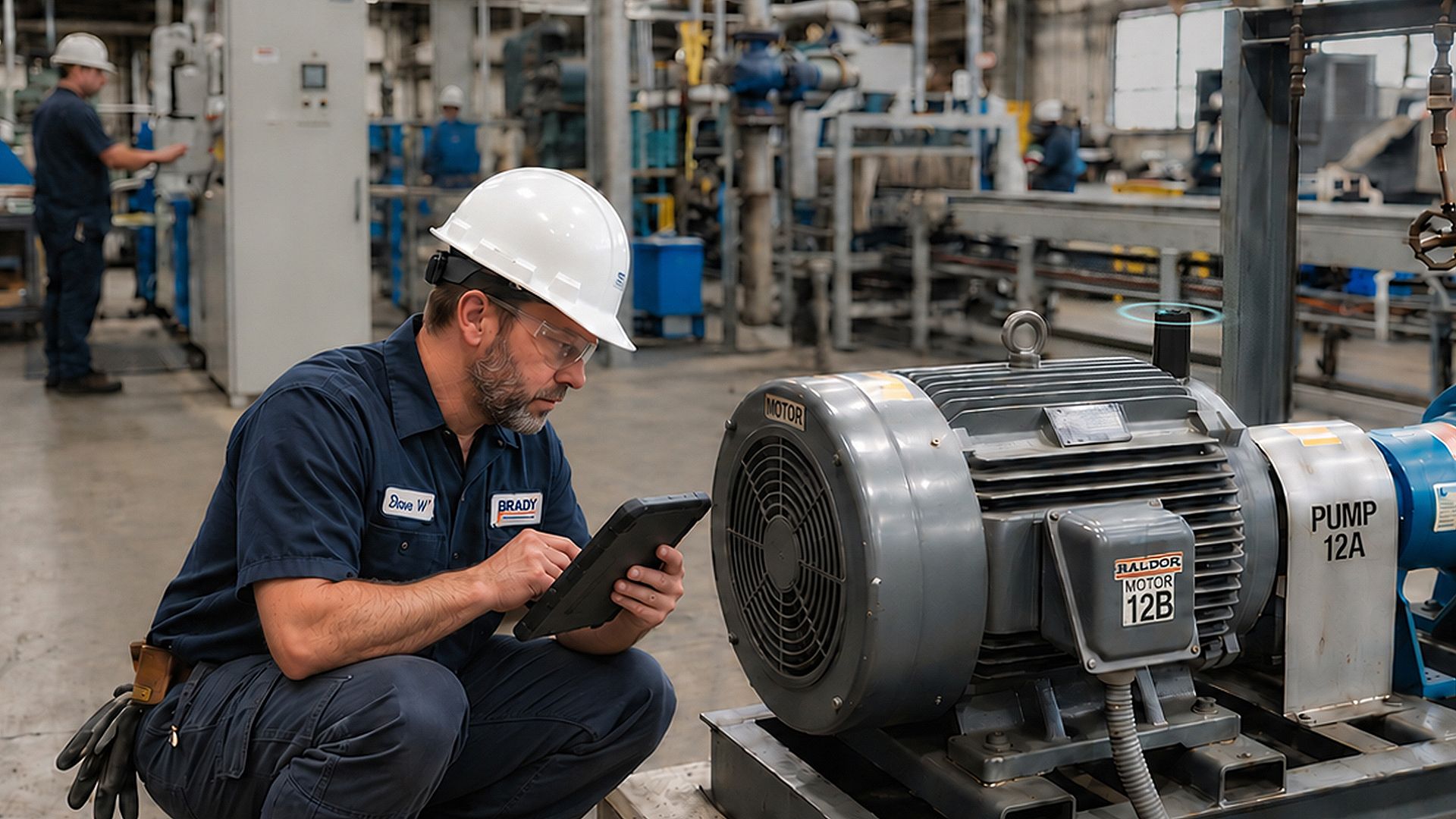
By Chris O’Farrell, condition monitoring engineer (CME), AssetWatch
This article is adapted from a video conversation between Chris O’Farrell and Salim Jaffer, formerly of Mobius Institute.
The short answer: A strong wireless condition monitoring program works in your plant’s real conditions, fits your IT and maintenance workflows, turns findings into prioritized action, and clearly assigns who maintains the sensors over time. Start with the equipment whose failure would stop an entire production line.
Wireless condition monitoring has changed how maintenance and reliability teams keep an eye on equipment health. Teams can collect machine health data remotely to supplement periodic routes and identify developing issues earlier.
Choosing a program means evaluating the whole system, not just the sensor. Connectivity, equipment coverage, maintenance workflows, and data analysis all shape the outcome, and so does the expertise behind the technology. Together, these determine whether a program gives teams useful information or simply another stream of data to manage.
In a conversation with Salim Jaffer, former strategic account manager at Mobius Institute North America, Chris O’Farrell walked through the practical considerations maintenance and reliability teams should evaluate when adopting wireless condition monitoring.
Here are several of the most important.
Turn Condition Monitoring Data into Maintenance Action
1. Can wireless condition monitoring work in your plant environment?
One of the first questions teams ask is whether the connection will stay dependable in an industrial environment.
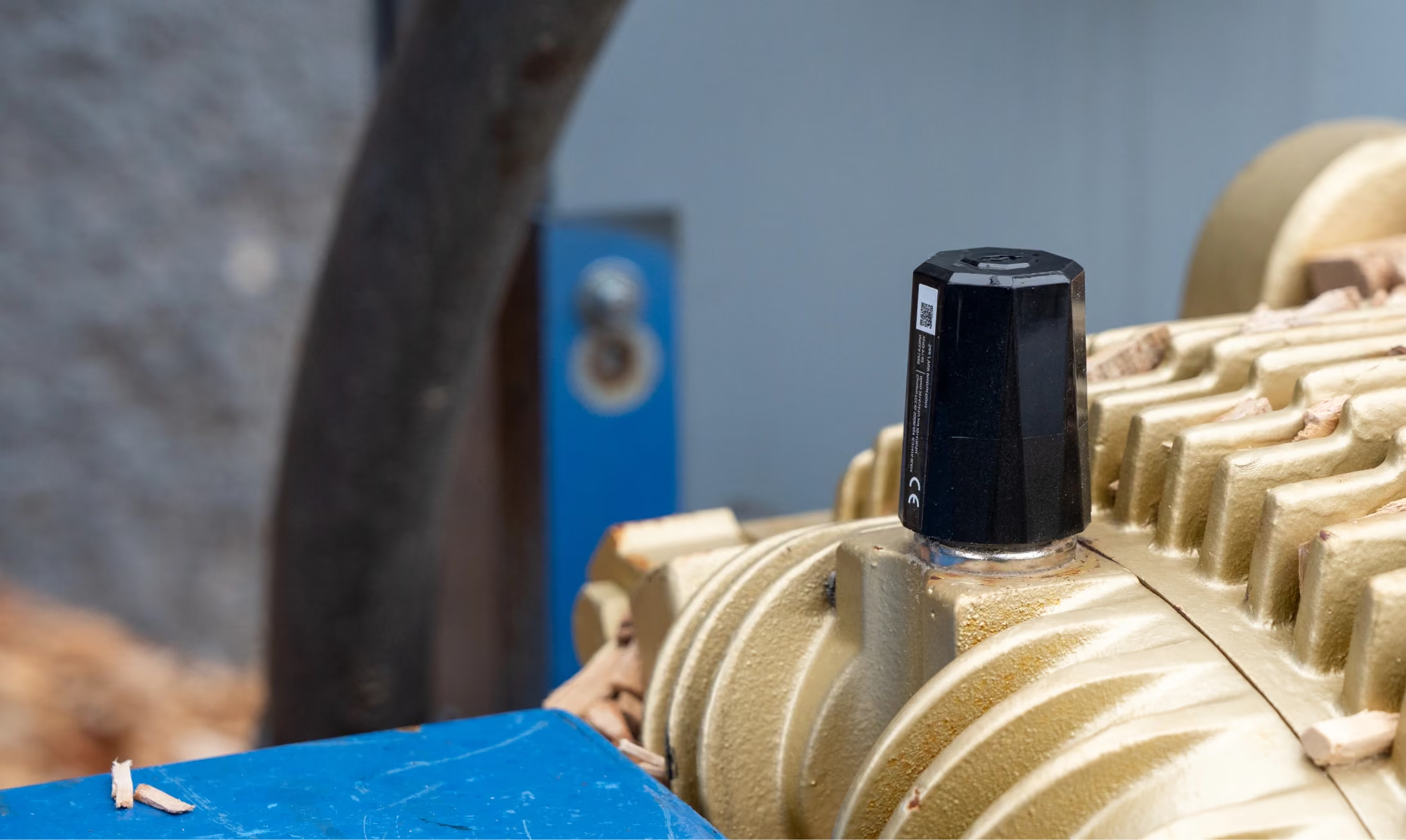
AssetWatch sensors use Bluetooth, the same commercially available connection found in phones and speakers, to transmit machine data to a nearby hub or hotspot. From there, the data goes to the cloud, where it can be reviewed and analyzed.
Distance and obstructions matter. O’Farrell explained that the connection holds up well when the sensor is within a reasonable range of the hub, and the main concern is thick materials in between. As long as there isn’t a lot of steel between the sensor and the hub, the connection is very good.
The objective is reliable connectivity based on each facility’s actual layout and operating conditions.
The equipment itself matters, too. Wireless condition monitoring covers a wide range of operating speeds. Depending on the application, monitoring parameters can be adjusted for high-frequency equipment as well as slow-speed machines. O’Farrell noted that AssetWatch can monitor rotational speeds down to approximately 1–5 revolutions per minute (RPM), which makes the technology applicable to equipment such as slow-speed gearbox output shafts and machinery found in paper mills.
The operating environment should also be part of the evaluation. AssetWatch’s Vibration sensor for hazardous locations is certified for Class I, Division 1 (C1D1), Class I, Division 2 (C1D2), Class II, Division 1 (C2D1), and Class II, Division 2 (C2D2) hazardous locations, so monitoring can extend to equipment in certain classified areas.
For reliability teams, the broader question is whether the system can support the assets and environments that matter to the operation.
2. What infrastructure does wireless condition monitoring require?
Adding connected technology to a plant can quickly raise questions about Wi-Fi, network access, cybersecurity, and IT resources.
Those requirements should be understood before implementation begins.
AssetWatch is designed as a standalone system. Hubs and hotspots transmit data over mobile carrier connectivity, so the monitoring network doesn’t depend on the facility’s Wi-Fi or internet. As O’Farrell put it, the system doesn’t need to tie into IT infrastructure. It’s its own standalone system.
Deployment is quick, too. O’Farrell described the typical process as a single day on site: the team installs the system, confirms everything is connected and transmitting data, and the system is ready to go.
For maintenance and reliability leaders, implementation requirements deserve as much attention as sensor specifications. A technically capable system delivers limited value if deploying it creates a lengthy infrastructure project before teams can begin monitoring equipment.
3. Does condition monitoring data connect to maintenance action?
Detecting an equipment problem is only part of the reliability process.
Once a potential fault is identified, someone still needs to determine what should happen next.
AssetWatch integrates with computerized maintenance management systems (CMMS), including platforms such as Limble and MaintainX. Through these integrations, a condition monitoring recommendation can generate and populate a work order within the maintenance team’s existing workflow. O’Farrell explained that when AssetWatch puts in a recommendation, it generates a work order and populates it, so the team doesn’t have to re-enter the information separately.
That connection reduces the need to move information manually from one system into another.
Criticality can also inform the process. Consider an instrument air compressor whose failure could take down every instrument in the facility. A developing problem on that asset may warrant a faster response than the same condition on a less critical machine.
When recommendations carry priority information into the maintenance workflow, teams have the context they need to decide which issues require immediate attention. A strong program makes the information useful to the people responsible for maintaining the equipment, so they can focus on the issues that matter most.
4. What role should AI play in condition monitoring?
Artificial intelligence (AI) is becoming common in industrial condition monitoring. Its value depends on whether the findings lead to effective action.
O’Farrell pointed to alert fatigue as a challenge with systems that rely heavily on automated notifications. When teams receive too many alerts without enough context, those notifications become noise, and people start paying less attention to them.
AI helps identify patterns and bring potential issues forward. Interpreting machine health data and deciding what maintenance teams should do with it still requires expertise. As O’Farrell explained, AI is there to help find issues and bring them to the forefront before they become major problems, while the human element brings the field expertise that turns a finding into a recommendation.
This is where AssetWatch combines technology with human analysis. Condition monitoring engineers review equipment data and communicate recommendations to customers, combining automated findings with field experience.
O’Farrell expects the future of condition monitoring to involve both: increasingly capable AI surfacing developing issues, and experienced people applying field knowledge to the data.
For maintenance leaders comparing approaches, that raises an important question:
Are you buying alerts, or are you getting actionable condition monitoring recommendations?
The answer can have a significant impact on how useful the program becomes to the maintenance team.
5. Who owns the ongoing maintenance of the monitoring system?
Wireless monitoring devices eventually need attention themselves.
Battery life, sensor replacement, and ongoing system maintenance can become an overlooked part of evaluating a condition monitoring program.
AssetWatch Vibration sensors last up to five years on a battery, depending on the operating environment, sampling rates, and testing intervals.
AssetWatch monitors battery status as part of its service, so plant personnel don’t need to replace sensor batteries. When a battery starts to run low, AssetWatch’s customer support team notifies the customer, and a work order is generated for AssetWatch to replace the sensor as part of the service agreement.
Battery ownership affects day-to-day workload, so maintenance teams should understand who maintains the monitoring technology after installation. A program meant to reduce maintenance burden should have a clear service model, so it doesn’t add another preventive maintenance route for the team.
How do you start a wireless condition monitoring program?
For facilities exploring wireless condition monitoring, the first deployment doesn’t need to cover every asset in the plant.
Start with the equipment that matters most.
During the conversation, Jaffer posed a scenario: a food and beverage manufacturer wants to start a wireless program. Where should it begin? O’Farrell’s answer was direct. Give AssetWatch your critical equipment and your process pinch points, and the team can install sensors and show what the difference looks like.
Start with the equipment whose failure would have the greatest operational consequence, such as a machine that could stop an entire production line. Assets where an unexpected failure would cause the biggest disruption, or where greater visibility would help most, make a logical starting point.
Beginning with critical equipment also gives teams a chance to see how wireless monitoring fits into existing maintenance processes before expanding the program.
How do you turn condition monitoring data into action?
Wireless sensors make it possible to collect equipment health data without relying exclusively on manual measurements. The sensor is only one part of an effective program.
Reliability teams should plan the full path, from machine data to maintenance action, including who supports the system over time.
Technology reveals what’s happening inside an asset. Turning that visibility into a maintenance decision is where much of the value lies.
For teams considering wireless condition monitoring, the path starts with the equipment that matters most. Find the assets where better visibility would improve maintenance decisions, then build from there.
Ready to see how wireless condition monitoring could work for your critical assets? Get started with AssetWatch.
Frequently asked questions
What is a wireless condition monitoring program?
A wireless condition monitoring program uses sensors on critical machines to collect health data remotely. The sensors send data through a nearby hub to the cloud, where it is analyzed and turned into prioritized maintenance recommendations, so teams can act on developing faults earlier than periodic routes alone would show.
Does wireless condition monitoring need plant Wi-Fi or IT integration?
It depends on the system, so confirm the requirements before implementation. Connected technology can raise questions about Wi-Fi, network access, cybersecurity, and IT resources. Ask any vendor whether the system depends on your Wi-Fi or needs your IT team involved. AssetWatch provides our own network included in the cost and does not require to be on your Wi-Fi.
How long do wireless sensor batteries last?
Battery life varies with the operating environment, sampling rates, and testing intervals, so ask any vendor for a range and who handles replacement. AssetWatch monitors battery status as part of its service, so plant personnel don’t replace sensor batteries. AssetWatch Vibration Sensors have a battery life of up to 5 years with default settings.
Can wireless sensors monitor equipment in hazardous locations?
Some can. Hazardous locations are classified by Class and Division, and a sensor must be certified for the classification of the area where it is installed. Ask any vendor for the certification list for each sensor model and compare it with your plant’s area classifications. AssetWatch has a certified Vibration HazLoc sensor for C1D1, C1D2, C2D1, and C2D2 environments.
What equipment should I monitor first?
Start with the equipment whose failure would have the greatest operational consequence, such as a machine that could stop an entire production line. Give AssetWatch your critical equipment and process pinch points, then expand once your team has seen how wireless monitoring fits into existing maintenance workflows.
Stay Ahead of Equipment Issues
See how predictive maintenance can help your team prevent failures and keep critical assets running.
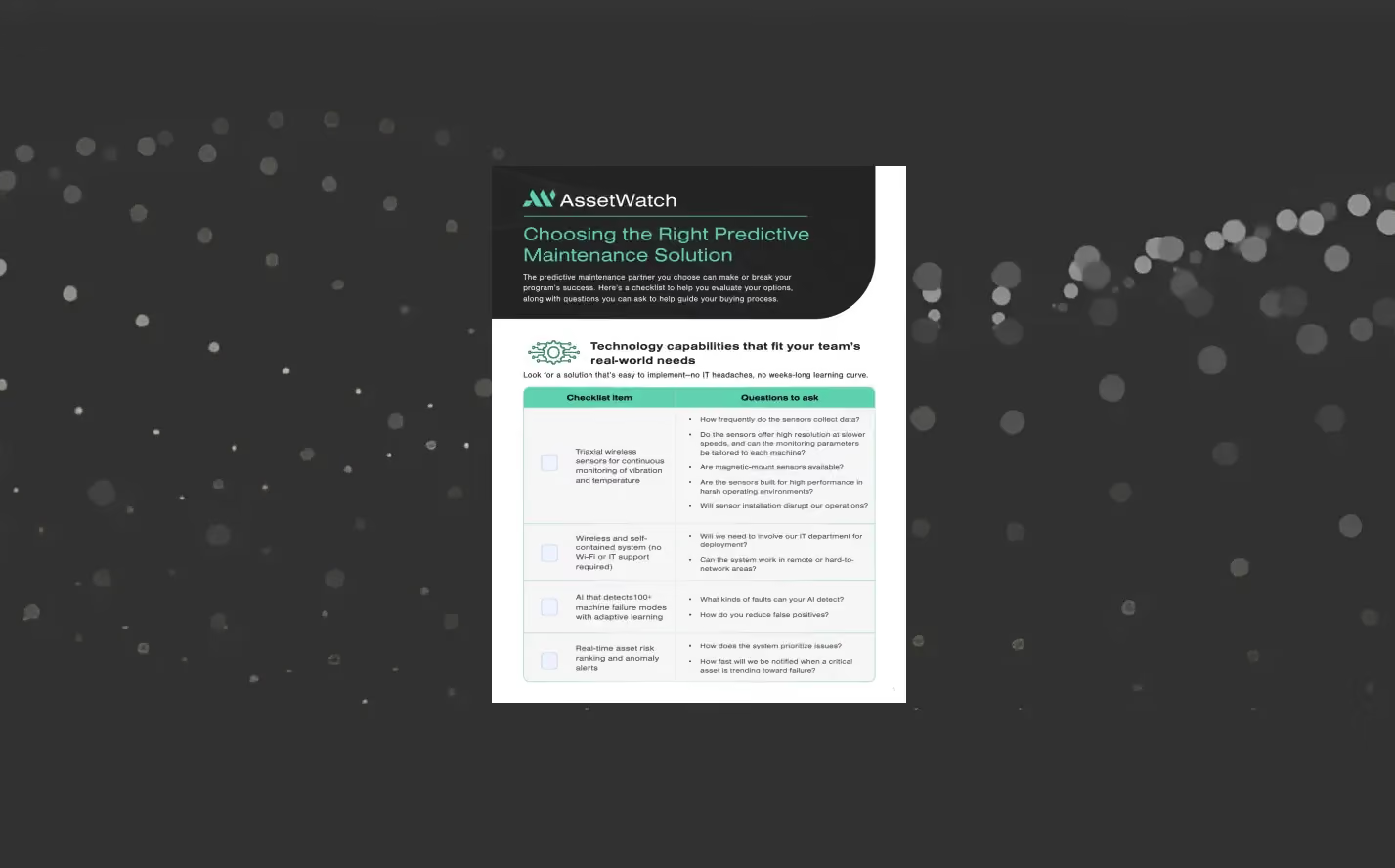
Choosing the Right Predictive Maintenance Solution

Upcoming Predictive Maintenance & Condition Monitoring Events
Discover the latest strategies in asset reliability and downtime reduction—browse our featured sessions below or view all upcoming events.



Predictive Maintenance Resources
Unlock expert strategies for better asset health—read our featured guides below or browse the full knowledge center.