
Vibration Monitoring System
Wireless Vibration Monitoring System for Industrial Reliability
Detect mechanical and bearing failures early with wireless vibration monitoring, AI-powered analysis, and dedicated reliability experts.

Used by Leading U.S and Canada Manufacturers
Complete Condition Monitoring, Delivered
Wireless sensors, AI-powered analytics, and reliability expertise work together to help you identify failures early and keep production running.
Failure Modes Detected
Deployment
IT Infrastructure Required
Wireless vibration monitoring
Built for Industrial Manufacturing
Vibration monitoring is the practice of continuously measuring vibration patterns in rotating equipment to identify developing mechanical issues before they lead to unexpected failures.
AssetWatch Vibration is a wireless vibration monitoring system that helps manufacturers continuously monitor and detect developing mechanical and bearing failures before they lead to downtime, production loss, or catastrophic damage.
For manufacturers evaluating what a vibration monitoring system is, AssetWatch combines wireless sensors, AI-powered vibration and temperature analysis, and dedicated reliability experts in one fully managed solution.
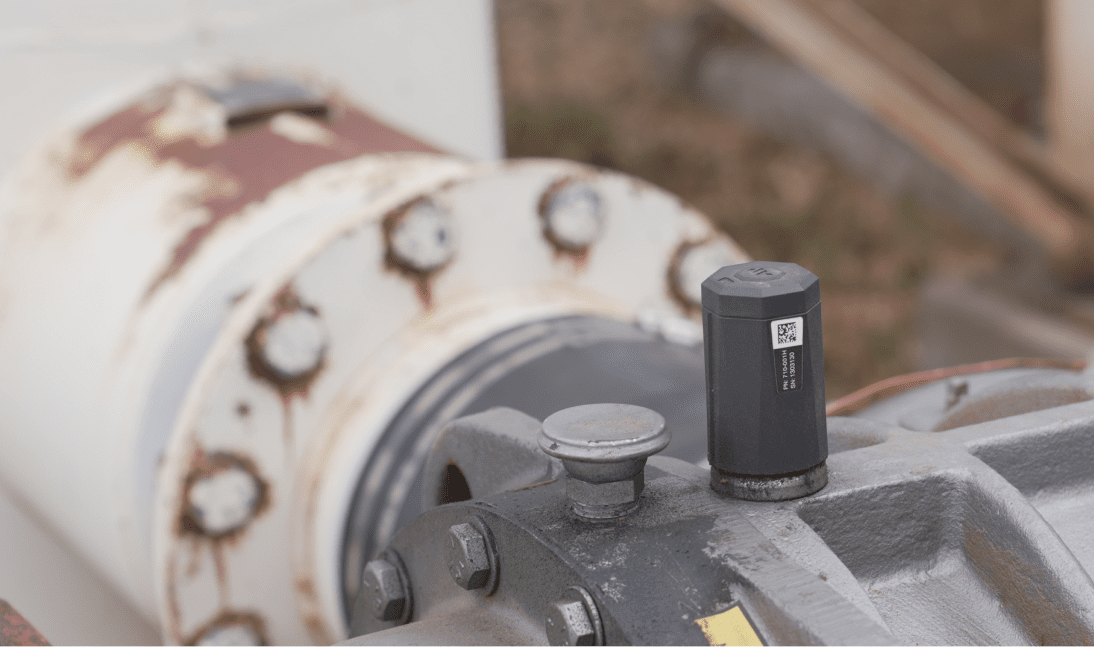
Wireless Sensors
Monitor motors, pumps, fans, gearboxes, and compressors continuously across critical assets.
Real-Time Analysis
AI analyzes vibration patterns to identify developing mechanical and lubrication failures.
Expert-Validated Recommendations
Dedicated CMEs review findings and provide maintenance guidance tailored to your operation.
Online vibration monitoring
Vibration Monitoring Without Alert Fatigue
Most vibration monitoring systems generate alerts that maintenance teams still have to interpret. Without the right context, it's difficult to know which issues require immediate attention and which can wait—leading to alert fatigue, wasted effort, and delayed maintenance decisions.
AssetWatch combines AI-powered vibration analysis with dedicated U.S.-based CMEs who validate findings, prioritize risk, and deliver prescriptive maintenance recommendations.
AI-Powered Detection
Identify abnormal vibration patterns and developing mechanical faults in real time, before failure occurs.
Expert-Validated Alerts
Dedicated U.S.-based CMEs review critical findings before alerts reach your team — no noise, only what matters.
Prescriptive Recommendations
Receive maintenance guidance prioritized by severity, operational impact, and asset criticality.
Reduce Reactive Maintenance
Turn vibration data into planned maintenance decisions instead of reactive repairs.
Continuous vibration monitoring
24/7 Monitoring for Machine Health
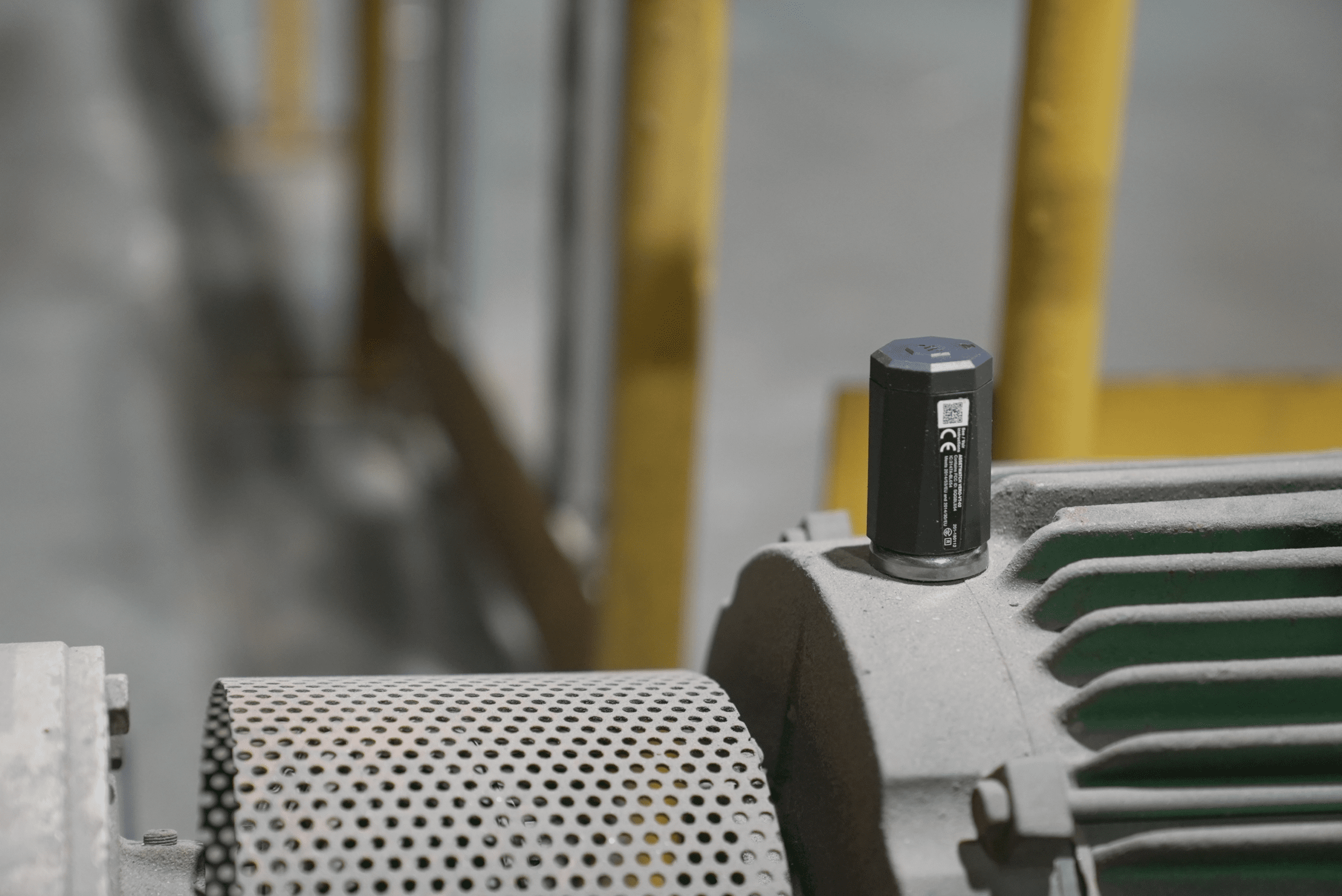
AssetWatch Vibration continuously analyzes machine health across critical equipment to detect developing failures early. The vibration monitoring system’s working principle starts with wireless sensors installed on critical equipment.
Sensors Installed
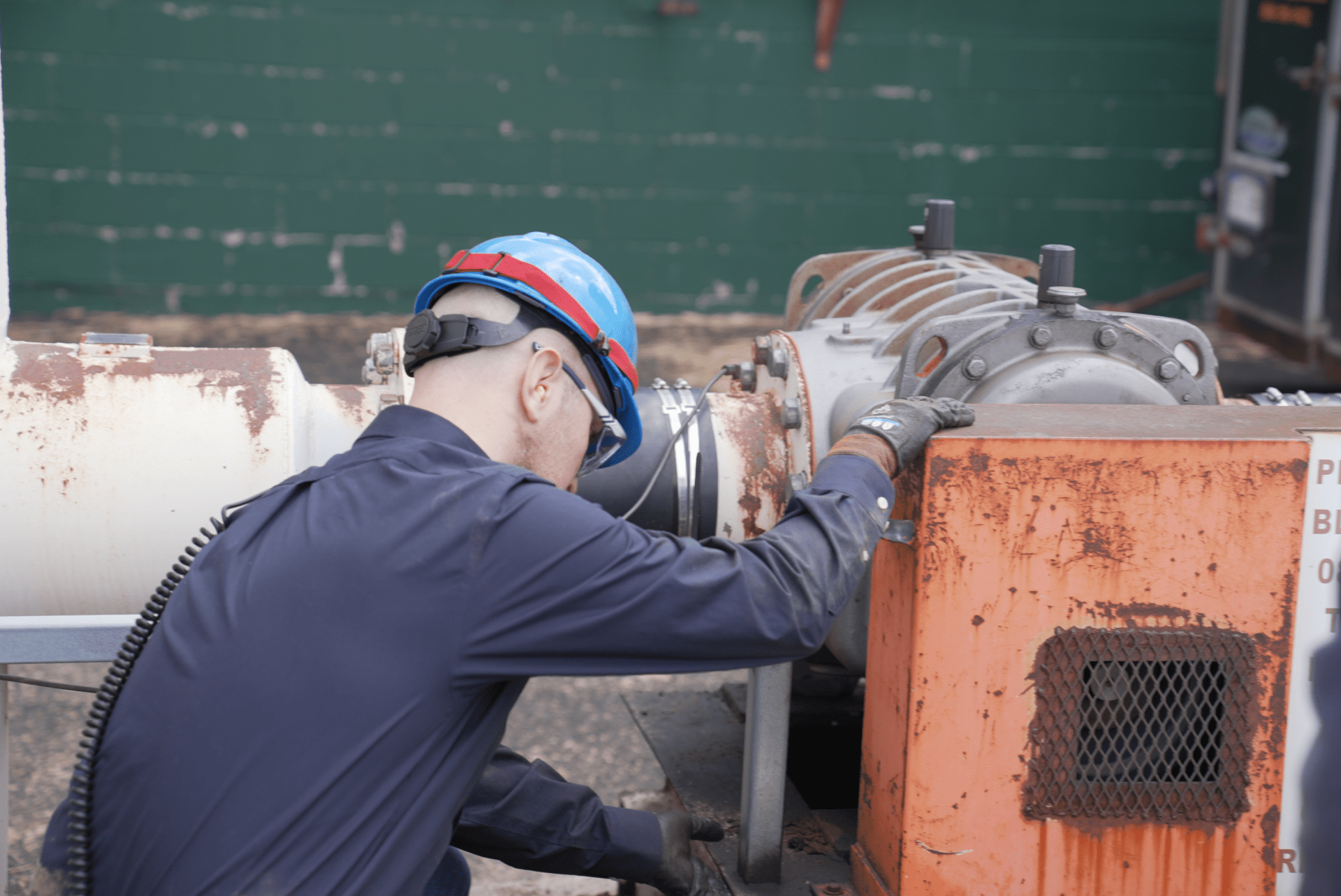
Wireless vibration sensors are installed on critical rotating equipment — typically in 1 to 2 days with no production downtime.
Data Streams Securely
Sensor data streams continuously to the AssetWatch platform through secure cellular connectivity — no network integration or IT involvement required.
AI Detects Faults
AI identifies abnormal vibration and temperature patterns associated with developing failures — bearing wear, imbalance, misalignment, lubrication issues, and more.
Experts Review Findings
U.S.-based, dedicated CMEs validate alerts and provide prioritized maintenance recommendations — so your team acts on issues that matter most.
Root cause analysis
Detect Failures Before Downtime Happens
AssetWatch isn't designed for ideal operating conditions—it's built for the realities of manufacturing. From harsh environments and hard-to-access equipment to lean maintenance teams and multi-site operations, AssetWatch Vibration detects a wide range of mechanical, electrical, and lubrication-related failure modes across rotating equipment.

Bearing Wear and Defects
Bearing failures start below the surface — lubricant breakdown and sub-surface fatigue develop long before heat or noise appear. Vibration and oil analysis flag it weeks ahead, when a planned repair is still an option.

Imbalance
Debris buildup, a thrown balance weight, or a damaged rotor creates uneven mass distribution that shows up as high vibration at the shaft's running speed. Left uncorrected, the load on the bearings compounds quickly — especially on fans and blowers running at speed for extended periods.

Mechanical Looseness
Loose hold-down bolts, worn bearing fits, and cracked or defective bases allow the machine to move in ways it shouldn't. Vibration analysis picks up the characteristic response — directional vibration and phase shifts that point to where the structure has lost its rigidity.

Gear Wear
Gear wear is gradual — tooth surfaces erode slowly, leaving a trail in both the vibration signature and the oil. Vibration analysis tracks the progression through gear mesh frequency changes, while oil analysis monitors the buildup of metallic particles as the wear advances.
Lubricant Degradation
Oil breaks down over time — viscosity drops, additives deplete, and the protective film between moving surfaces gets thinner. Oil analysis tracks the degradation continuously so a fluid change happens on schedule, not after the damage is already done.

Cavitation
Cavitation sounds like gravel in the pump and causes real damage — eroding impellers and wearing seals faster than normal operation ever would. Vibration monitoring catches the characteristic raised noise-floor early, before the erosion causes further damage.

Resonance and Structural Vibration
Resonance occurs when a machine's operating speed excites the natural frequency of a structure, producing high vibration in one direction that doesn't respond to balancing or alignment. Vibration analysis identifies the condition and separates it from other fault types so the right fix — speed adjustment, added mass, or stiffening — gets applied.
Vibration equipment Analysis
Built for the Assets That Matter Most
Wireless vibration monitoring delivers the greatest value when applied to assets that have the greatest impact on production, maintenance costs, and operational risk. AssetWatch helps reliability teams prioritize monitoring by criticality, ensuring that the equipment most likely to disrupt production receives continuous visibility.
Production-Critical Assets
Monitor the motors, pumps, fans, compressors, and gearboxes that keep production moving.
High-Cost Equipment
Detect developing failures early on assets where repairs, replacement parts, or downtime carry significant cost.
Limited-Redundancy Equipment
Protect equipment that has no backup and can quickly stop production if it fails.
Difficult-to-Inspect Assets
Reduce manual inspection routes by continuously monitoring equipment that's difficult, hazardous, or time-consuming to access.
Known Problem Assets
Provide continuous visibility into machines with recurring bearing, alignment, or lubrication issues.
equipment failure detection
Your reliability strategy might be missing critical warning signs.
Many manufacturers don't realize they've outgrown route-based inspections until unexpected failures begin disrupting production. If any of these challenges sound familiar, it may be time to consider a wireless vibration monitoring system.
Common Warning Signs
Frequent Emergency Repairs
Critical Assets Without Continuous Monitoring
Failures Developing Between Inspection Routes
Limited Maintenance Resources
Too Many Alerts. Not Enough Answers.
Vibration Analysis Software
Turn AI Data Into Action
Most vibration monitoring systems stop at dashboards and alerts. AssetWatch helps maintenance and reliability teams detect failures earlier, reduce manual data collection, and prioritize the issues most likely to impact production.
.png)
Eliminate Alert Guesswork
Expert-reviewed alerts help teams focus on the highest-priority failures first — no more interpreting raw vibration data or chasing false positives.

Catch Fast-Moving Failures
Detect lubrication and bearing issues before they escalate between collection intervals. Continuous monitoring catches what route-based collection misses.
.png)
Reduce Reactive Maintenance
Plan repairs earlier with validated recommendations instead of reacting to emergency breakdowns — shift from firefighting to proactive reliability.
vibration monitoring services
Monitoring Strategies Based on Asset Criticality
Different types of vibration monitoring systems support different asset criticality, operational risk, and failure speeds. AssetWatch provides both continuous vibration monitoring and route-based monitoring.
industrial maintenance solution
Designed Around Your Maintenance Challenges
Modern maintenance teams are being asked to do more with less. AssetWatch was built to help reliability teams overcome the operational challenges that make preventing downtime so difficult.
Lean Maintenance Teams
Keep your team focused on maintenance—not manual inspection routes. AssetWatch continuously monitors critical assets and surfaces the issues that matter most.
Labor & Knowledge Shortages
Support every technician with AI-powered analysis and dedicated Condition Monitoring Engineers who validate findings and guide next steps.
Growing Reliability Programs
Scale from a handful of critical assets to multiple facilities using one platform, one workflow, and one reliability partner.
Unplanned Downtime
Detect developing failures earlier so maintenance can be planned before unexpected downtime impacts production.
Maintenance Backlogs
Prioritize maintenance with validated alerts ranked by severity, helping your team focus on the highest-risk issues first.
More Time for Planned Work
Reduce time spent collecting data and interpreting reports so your team can focus on planned maintenance and continuous improvement.
Everything Included in One Subscription
Our all-in-one vibration monitoring subscription includes fast, disruption-free installation, on-site setup, no IT integration, and simple, all-inclusive pricing.
Frequently Asked Questions About Wireless Vibration Monitoring
A wireless vibration monitoring system continuously measures vibration from rotating equipment using permanently installed sensors that transmit data automatically for analysis. Unlike traditional route-based inspections, which capture equipment condition only during scheduled collection intervals, wireless systems monitor assets around the clock. This allows maintenance teams to identify developing mechanical issues—such as bearing wear, imbalance, misalignment, and looseness—before they lead to unexpected downtime. AssetWatch combines wireless sensors, AI-powered vibration analysis, and dedicated U.S.-based Condition Monitoring Engineers (CMEs) to deliver expert-reviewed recommendations, helping manufacturers move from reactive maintenance to a predictive maintenance strategy.
The cost of a wireless vibration monitoring system varies depending on the number of assets monitored, deployment size, and the level of support included. Many traditional solutions require upfront investments in hardware, software licenses, IT infrastructure, and internal engineering resources. AssetWatch takes a different approach with a subscription model that includes wireless sensors, installation, secure cellular connectivity, AI-powered analytics, software, and dedicated reliability experts. This allows manufacturers to implement predictive maintenance without large capital expenditures while scaling their monitoring program as operational needs grow.
Wireless vibration monitoring is used across virtually every manufacturing industry where rotating equipment is critical to production. Food and beverage manufacturers monitor mixers, conveyors, and pumps. Metals and mining operations rely on vibration monitoring for crushers, mills, and large gearboxes. Chemical plants use it to monitor pumps, compressors, and agitators, while paper, packaging, plastics, automotive, and general manufacturing facilities monitor motors, fans, blowers, and other process-critical equipment. Any operation looking to reduce unplanned downtime, extend equipment life, and improve maintenance planning can benefit from continuous vibration monitoring.
When evaluating a wireless vibration monitoring system, look beyond the sensors themselves. Consider how data is analyzed, how quickly the system can be deployed, and whether expert guidance is included. The best solutions provide continuous monitoring, AI-powered fault detection, secure connectivity without IT complexity, seamless integration into maintenance workflows, and dedicated reliability experts who validate findings and prioritize maintenance actions. A vibration monitoring system should not only identify developing failures—it should help your team understand what they mean and what to do next.
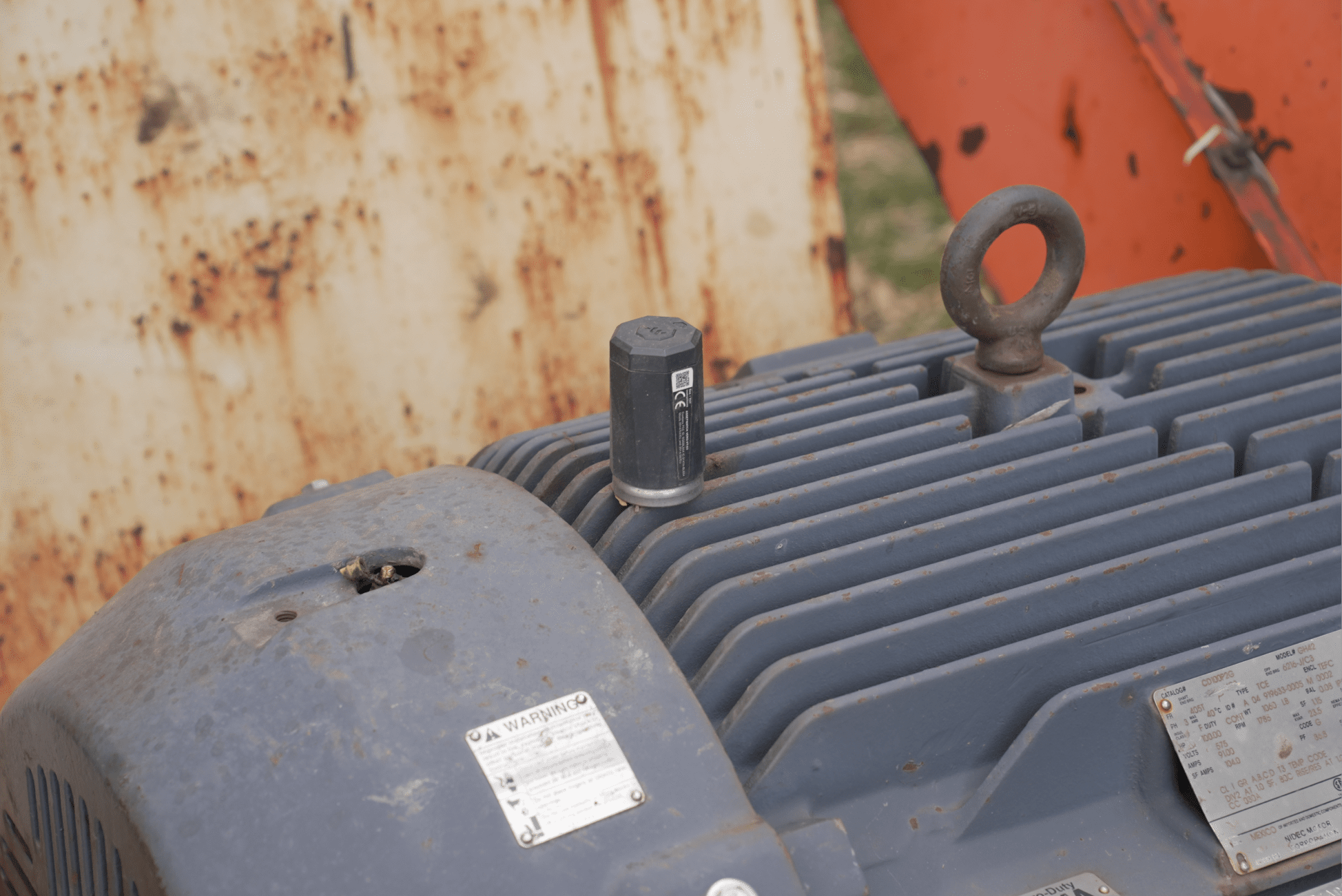
Magnetic vibration sensors mount directly to rotating equipment without permanently modifying the asset, making installation fast and non-invasive. Once installed, the sensor continuously measures vibration generated by the machine and securely transmits that information for analysis. Magnetic mounting allows sensors to be installed across a wide range of motors, pumps, fans, gearboxes, compressors, and other rotating equipment while minimizing installation time and disruption to production. Combined with continuous monitoring, this approach provides earlier visibility into developing mechanical problems than periodic manual inspections.
ASSETWATCH vibration monitoring
Deliver Value From Day One
Getting started with wireless vibration monitoring shouldn't require months of planning or a major capital project. AssetWatch provides everything needed to launch quickly, identify early wins, and build a stronger predictive maintenance program over time.
Identify Critical Assets
Work with reliability experts to prioritize where continuous monitoring delivers the greatest value.
Deploy Quickly
Wireless sensors, secure connectivity, and guided onboarding help you start monitoring in as little as one to two days.
Improve Continuously
As your program matures, AssetWatch helps expand monitoring, optimize maintenance strategies, and support long-term reliability goals.
Ready to end unplanned downtime?
Book a demo today and see how the AssetWatch Vibration system works in your operation.