
INX International Turns Predictive Maintenance Into a Model for Reliability at Scale
How INX International moved beyond reactive maintenance, prevented weeks of potential downtime, and built a predictive maintenance program ready to scale across the organization
From Challenge to Solution
Every project comes with obstacles. Here’s how we identified the problem and built a solution that delivered lasting impact.
The Challenge
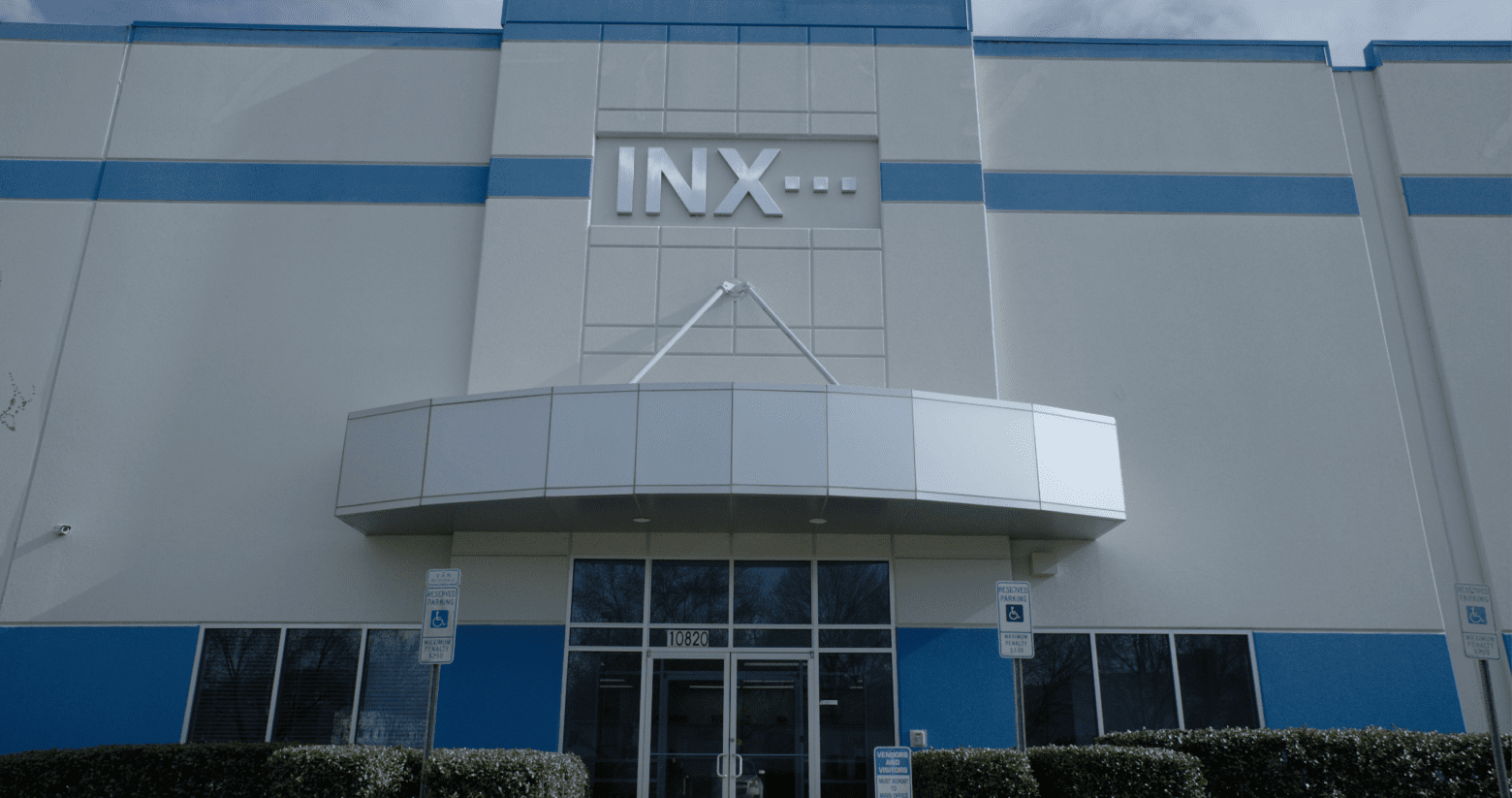
Like most manufacturing facilities, INX International’s Charlotte facility depends on reliable production equipment to keep operations running smoothly. The plant produces two-piece metal decorating ink used on aluminum beverage cans across North America, with production demands continuing to grow, but several years ago, the maintenance environment looked very different.
In the past, equipment maintenance was often driven by issues as they occurred, making it challenging for the team to anticipate developing problems and plan maintenance proactively. Unexpected equipment failures could result in extended downtime and require technicians to shift priorities quickly, while available resources were focused on keeping critical equipment running. This highlighted the need for better visibility into equipment health and earlier identification of potential issues before they resulted in significant downtime.
For the maintenance team, everything felt urgent.
Plant Engineer Joe Torchia described the previous environment as “firehouse maintenance,” reflecting the challenge of balancing immediate equipment needs with the ability to plan ahead. When an unexpected failure occurred, repairs could sometimes be extended by lead times for specialized components such as motors, bearings, rolls or gearboxes—particularly when more than one piece of equipment required attention.
The impact could extend beyond the maintenance team. Equipment downtime had the potential to affect production schedules, create additional logistics or operating costs, and place added pressure on teams working to maintain customer commitments. Improving the ability to identify developing equipment issues earlier offered an opportunity to reduce that risk and give both maintenance and production teams more time to plan.
As INX began a broader Industry 4.0 initiative, the Charlotte team saw an opportunity to change that approach. Rather than continuing to run equipment until failure, they wanted greater visibility into asset health and enough warning to turn emergency repairs into planned maintenance.
The Solution
INX implemented AssetWatch continuous vibration monitoring, initially focusing on critical equipment where unexpected failure would have the greatest production impact.
For INX, the value extended beyond installing sensors.
The Charlotte plant operates specialized equipment with vibration patterns that can change depending on the product being manufactured, machine loading, and operating conditions. Traditional approaches to condition monitoring had not always provided the flexibility the team needed.
AssetWatch combined continuous vibration data with AI-supported analysis and dedicated Condition Monitoring Engineers (CME) who could learn how INX’s equipment behaved over time.
That human component was important to the team.
“There is a human component that analyzes and confirms what the AI is predicting. Without that human component, we’re just kind of like, well, maybe it’s true, maybe it’s not. It's unconfirmed.”
Borpit Intawiwat, Vice President of Engineering, INX International
Rather than relying solely on an automated alert, INX could work directly with an AssetWatch engineer to evaluate trends, confirm developing issues, and determine the appropriate maintenance response. Feedback from INX technicians also helped establish better baselines and refine monitoring as the program matured.
The result was a collaborative feedback loop between INX and AssetWatch.
Alerts could be reviewed with the maintenance team, technicians could inspect the equipment and report their findings, and the AssetWatch team could determine whether vibration returned to normal or whether additional action was necessary.
Over time, that process helped build confidence in the data and changed how maintenance decisions were made.
From Reactive to Predictive
Hear how INX transformed their maintenance program with AssetWatch.

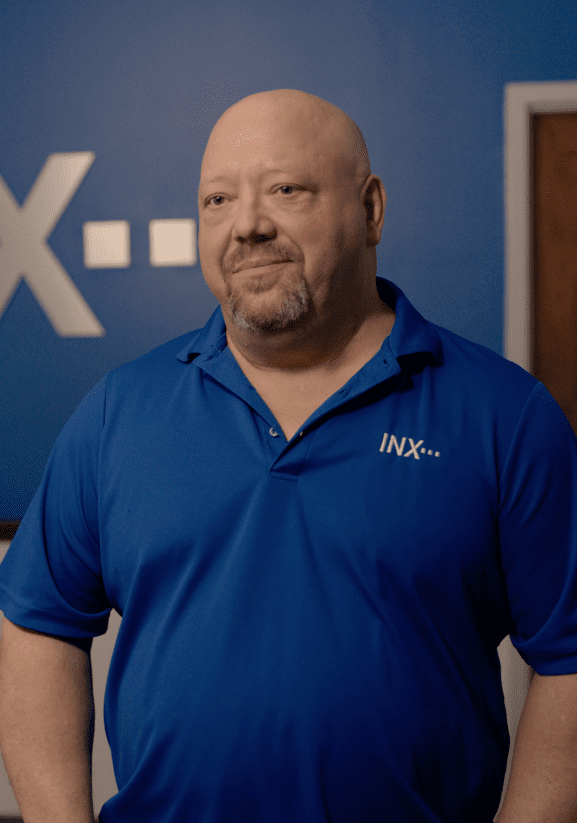
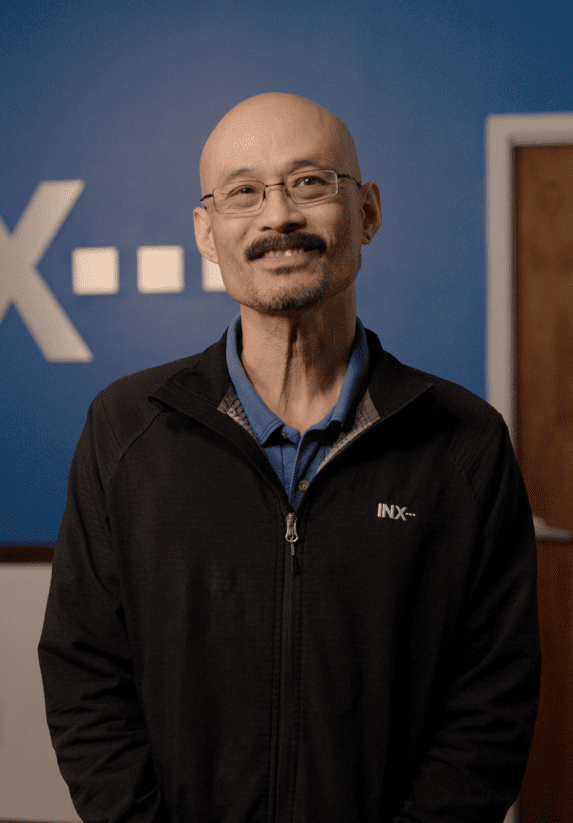
Predictive maintenance gradually became part of INX’s normal operating rhythm.
AssetWatch findings are incorporated into the plant’s daily conversations alongside production, maintenance, and quality concerns. When an issue develops, the team can evaluate it before failure and determine when a repair should be scheduled.
That visibility has helped shift the plant away from a run-to-failure mindset.
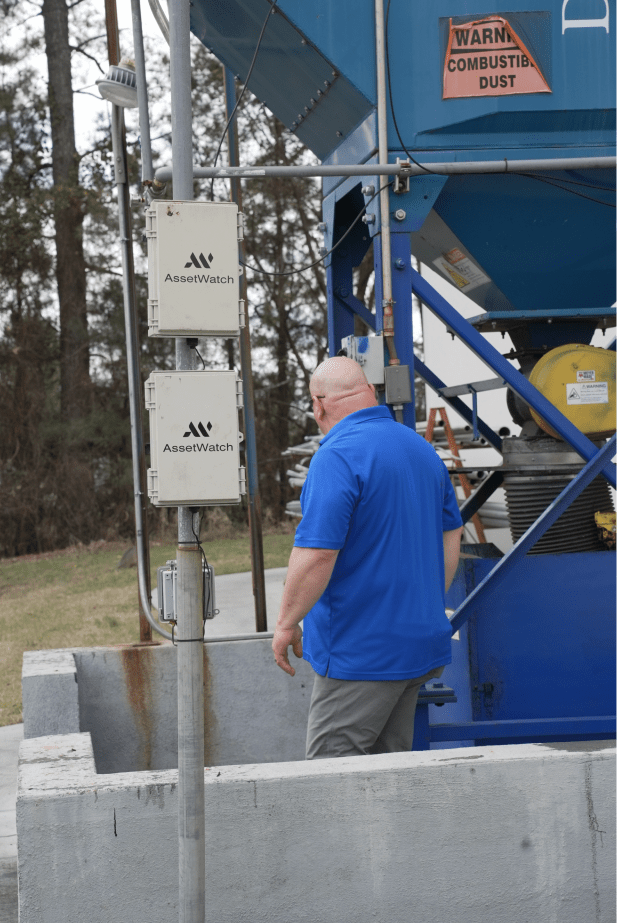
One of the most significant examples involved the facility’s dust collection system, a critical part of maintaining a clean operating environment around the pigments and materials used to manufacture ink.
AssetWatch detected indications of a developing bearing problem and alerted the INX team.
Without that warning, the bearing could have failed unexpectedly. Because the necessary replacement components were not already on site, INX estimated that a catastrophic failure could have resulted in approximately six and a half weeks of downtime while replacement parts were sourced.
Instead, the maintenance team confirmed the problem, ordered the necessary components before failure, and completed the repair in approximately three hours.
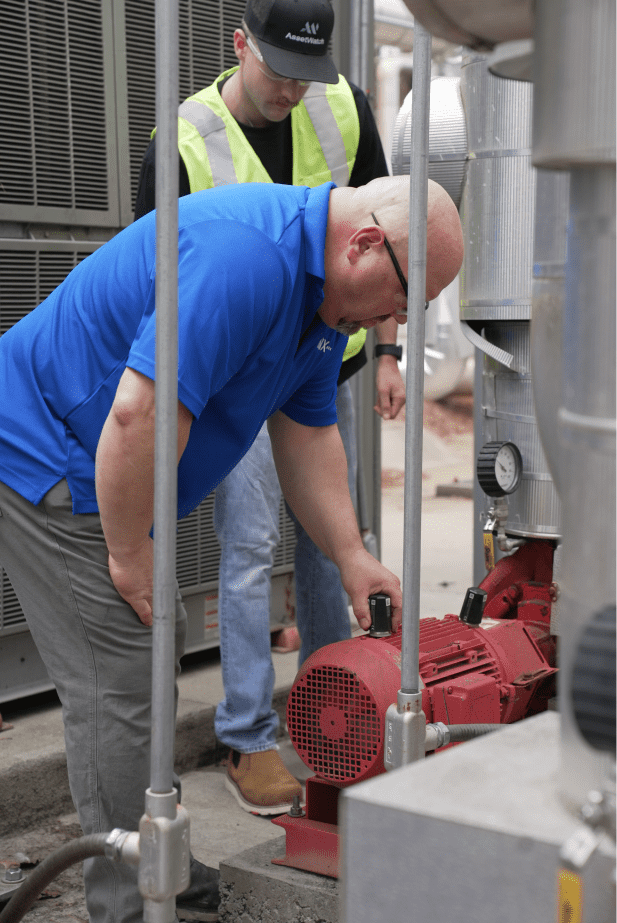
Similar alerts have helped INX identify developing problems involving pump couplings, bearings on three-roll mills, motors, and gearboxes.
For equipment where replacement components can require weeks or even months to source, knowing what is developing before failure gives the maintenance team something it did not have before: time.
Quantifying Success
See how AssetWatch helped INX reduce downtime, plan repairs ahead of failure, and protect critical equipment.
Avoided Catastrophic Failure
Potential Downtime Avoided
Planned Repair Time
Subscription Cost Covered
INX did not attempt to transform its entire maintenance program overnight.
The Charlotte team started by monitoring selected critical equipment and learning how AssetWatch performed in their environment. Early in the deployment, the team worked closely with AssetWatch to establish equipment baselines, validate alerts, and understand how INX’s specialized machinery behaved.
As confidence in the recommendations increased, so did the scope of the program.
Additional equipment was added to monitoring, and the success at Charlotte began attracting attention elsewhere within the organization.
The Charlotte facility serves as a proving ground for new technology at INX. Once a solution demonstrates value there, the company can evaluate how it might be deployed across additional facilities.
AssetWatch is now following that path.
INX has begun expanding the program to other locations, while maintenance teams across facilities share alerts, lessons learned, and reliability insights through recurring cross-site meetings.
What started as an effort to gain control over recurring equipment failures is becoming part of a broader reliability strategy.
Go deeper into INX’s reliability journey in the webinar: Scaling Reliability with INX International: Aligning People, Process, and PdM.
Mike Patulski, Vice President of Paste Operations, INX International
Looking Ahead
INX’s experience demonstrates that predictive maintenance is not simply about installing sensors or generating more data.
The value comes from turning that information into action.
For INX, that required technology capable of continuously monitoring equipment, condition monitoring experts who could interpret what the machines were saying, technicians willing to investigate and provide feedback, and leadership committed to changing how maintenance decisions were made.
The result has been a shift from reacting to failures after production stops to identifying developing problems early enough to plan the response.
At the Charlotte facility, catastrophic failures that once created weeks of downtime have been reduced dramatically. Maintenance and production teams have greater visibility into equipment health, predictive insights have become part of daily operations, and INX now has a reliability model it can continue expanding across the organization.
Time Since Last Failure
Turn Equipment Problems Into Planned Maintenance Before They Become Production Problems.

Find this case study helpful? We’d love to share it with you!
Powering Predictive Insights with AWS
AssetWatch partnered with AWS to provide the scalability and reliability needed to support a serverless architecture. With a robust suite of services tailored for data ingestion, processing, and machine learning, AWS enables AssetWatch to seamlessly scale sensor data and deliver predictive insights to manufacturing companies.
AWS infrastructure reduces operational overhead and allows AssetWatch to focus on innovation to drive value to our customers. Additionally, AWS’s strong security framework and global infrastructure ensure the resilience and compliance required to support mission-critical manufacturing operations at scale. This partnership positions AssetWatch to accelerate growth while maintaining the highest levels of performance and reliability.
.avif)


Turn Equipment Problems Into Planned Maintenance Before They Become Production Problems.

More Case Studies
Discover how our customers achieve an impressive 8x ROI through our insightful case studies.

57X
One Sensor Saved a Potential $120k in Lost Gross Margin!

$2M+
How much could you save by using AssetWatch?