
Condition monitoring: How to choose the right system for your facility
A condition monitoring system tracks the health of your rotating equipment and warns you about developing problems before they cause unplanned downtime. The right system watches the assets that stop production and puts a certified expert behind every alert. AssetWatch combines AI-powered monitoring with dedicated Condition Monitoring Engineers (CMEs). On average, customers prevent 79 hours of unplanned downtime each year.
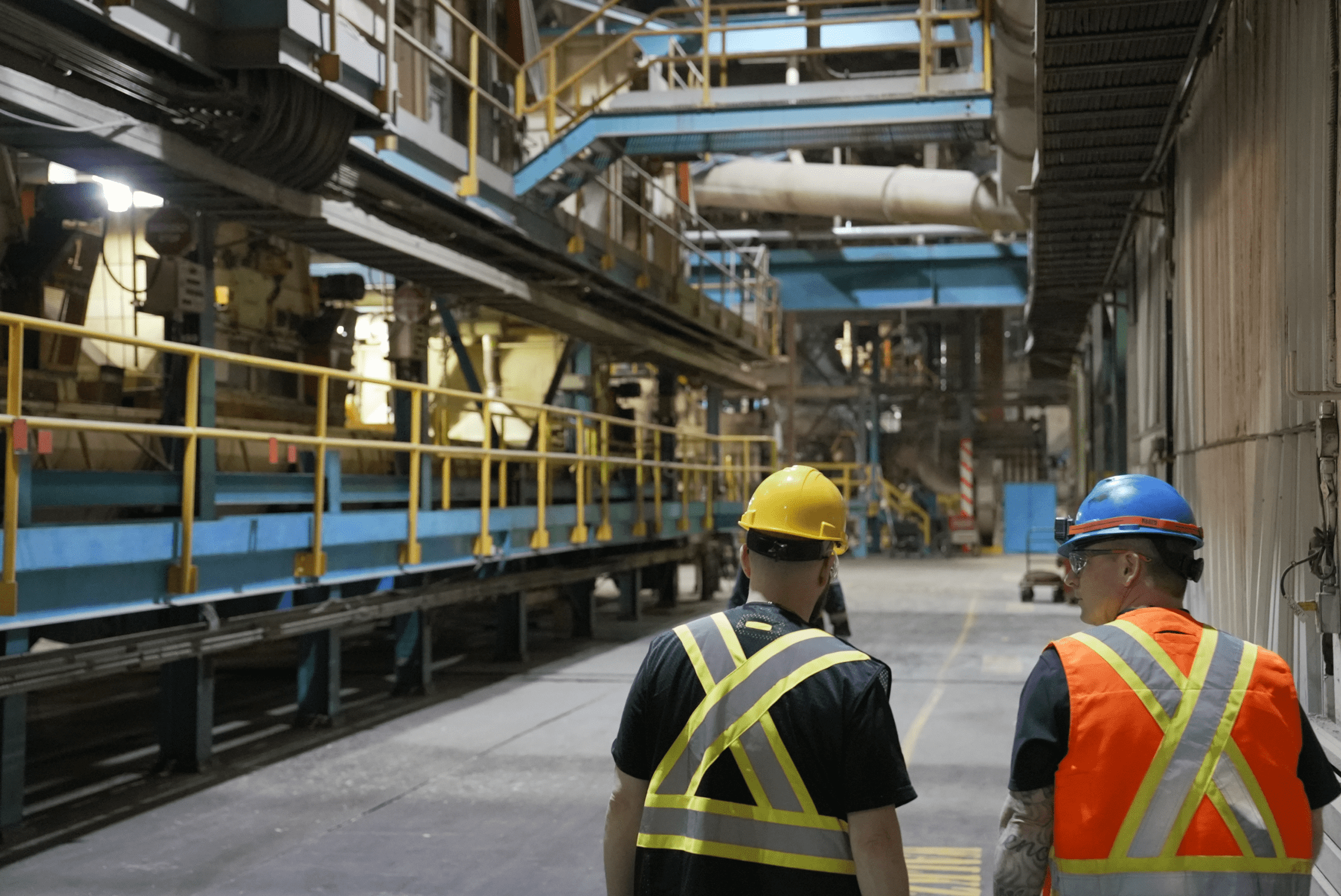
Used by Leading U.S. and Canada Manufacturers

What is condition monitoring?
Condition monitoring measures the operating signals of equipment to spot changes before a failure happens. Vibration monitoring provides broad coverage across critical rotating equipment and helps teams detect developing mechanical issues early.
It’s the foundation of a predictive maintenance program and a fast path to value.
From Reactive to Predictive
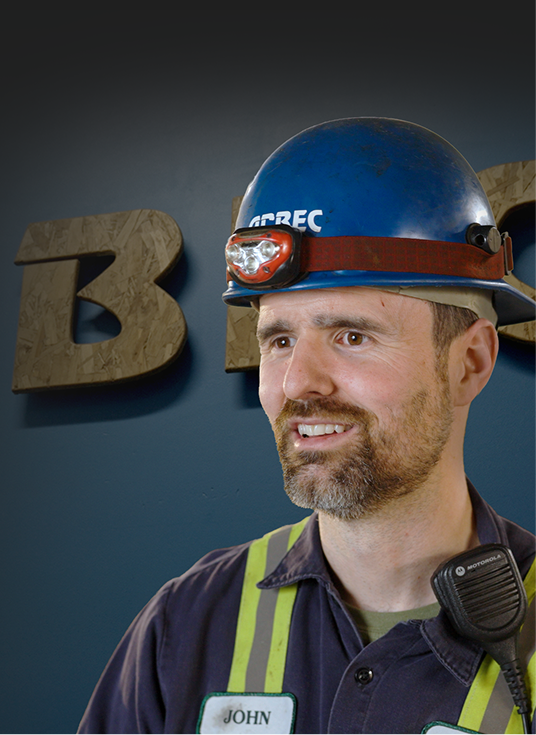
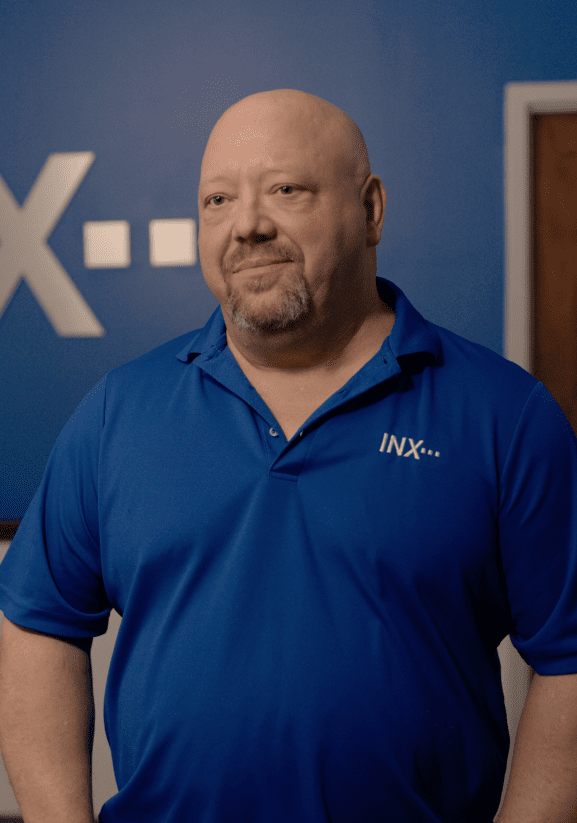
Hear how some of our customers transformed their maintenance program with AssetWatch.



How does a condition monitoring system work?
Sensors collect data from each asset, software compares that data against a healthy baseline, and experts decide what to do about any change.
Sensors can collect data continuously or on a set route. Continuous systems stream readings around the clock. Route-based systems collect readings during scheduled visits. In both cases, the software flags changes, and your team decides what action to take.

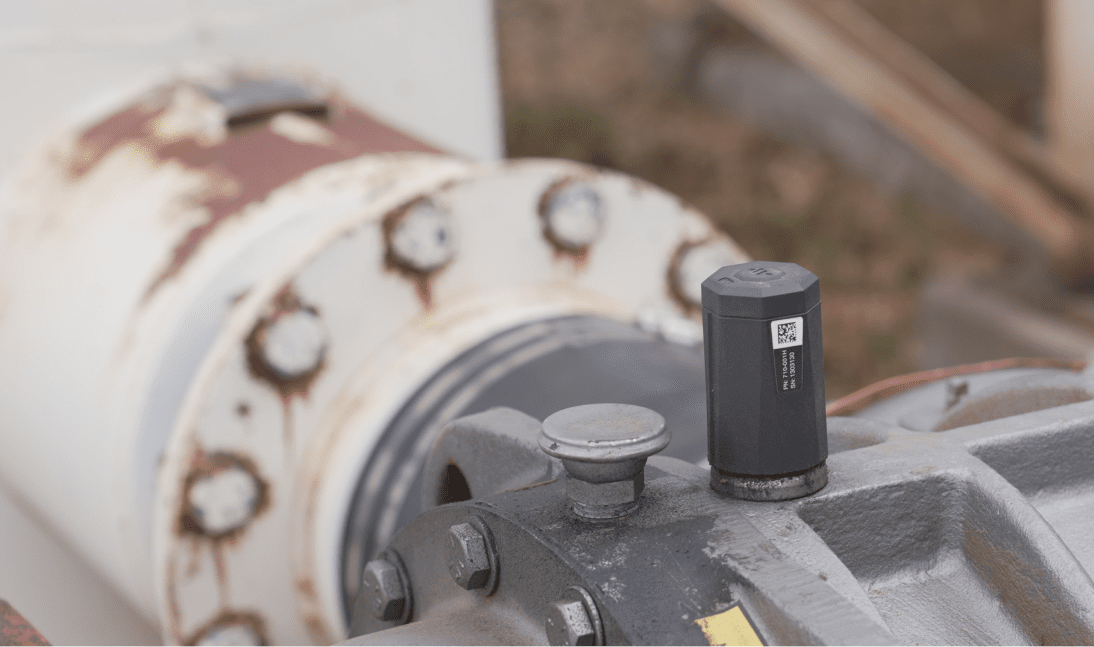
Which equipment should you monitor first?
Start with the rotating equipment that would stop production if it failed. Look first at assets with:
Long lead times for replacement parts
No redundancy
High replacement costs
A role as a bottleneck in the process
Most plants start with pumps, fans and blowers, motors and gearboxes, compressors, and conveyors.
Should you use continuous or route-based monitoring?
Use continuous monitoring for critical assets where a failure would stop production. Use route-based monitoring for lower-criticality assets, or as a first step toward a full program.
Continuous monitoring
Route-based monitoring
How data is collected
Best for
When findings reach your team
Which monitoring method catches which failure?
Vibration helps detect developing mechanical issues early. Electrical Monitoring identifies issues at the source, before they create mechanical symptoms. Oil Analysis reveals lubrication risks and internal wear, helping teams understand why an issue may be happening.
Are wired or wireless sensors better?
Wireless sensors suit most rotating equipment because they avoid running new cable to each asset. Wired sensors can work well where cable and a dedicated data path already exist. Most teams choose by asset and by site.
What should condition monitoring software include?
Look for software that flags developing issues and explains what to do next.
AssetWatch tracks more than 600 health indicators per asset, and every finding explains what was detected, why it matters, and the next step.
Our platform has analyzed more than 87 billion metrics to date.

How do AI and a Condition Monitoring Engineer work together?
AI watches your assets around the clock and surfaces developing issues. A certified Condition Monitoring Engineer reviews each finding, confirms how serious it is, and recommends the next step.
Our CME team has more than 225 years of combined experience. Their certifications include Category III and IV vibration analysis, Machinery Lubrication Analyst II, and Certified Maintenance and Reliability Professional (CMRP), among others.
Customers have saved more than $663 million through AI-based prescriptive monitoring.
AssetWatch integrates with CMMS platforms so findings reach your maintenance team inside the system they already use.


- CMMS
- EAM
- Work Orders
- Production Data
- Mobile Alerts
- Asset Records
How is the investment measured?
Measure the investment by the downtime it prevents and the savings it produces.
Customers report 5X to 10X ROI. 5X reflects savings from acted-on alerts. 10X includes all identified savings opportunities.
Across customers, AssetWatch has contributed to more than $800 million in savings.
Downtime prevented each year totals $71 million, and the average customer prevents 79 hours of unplanned downtime annually.
What do customers say?
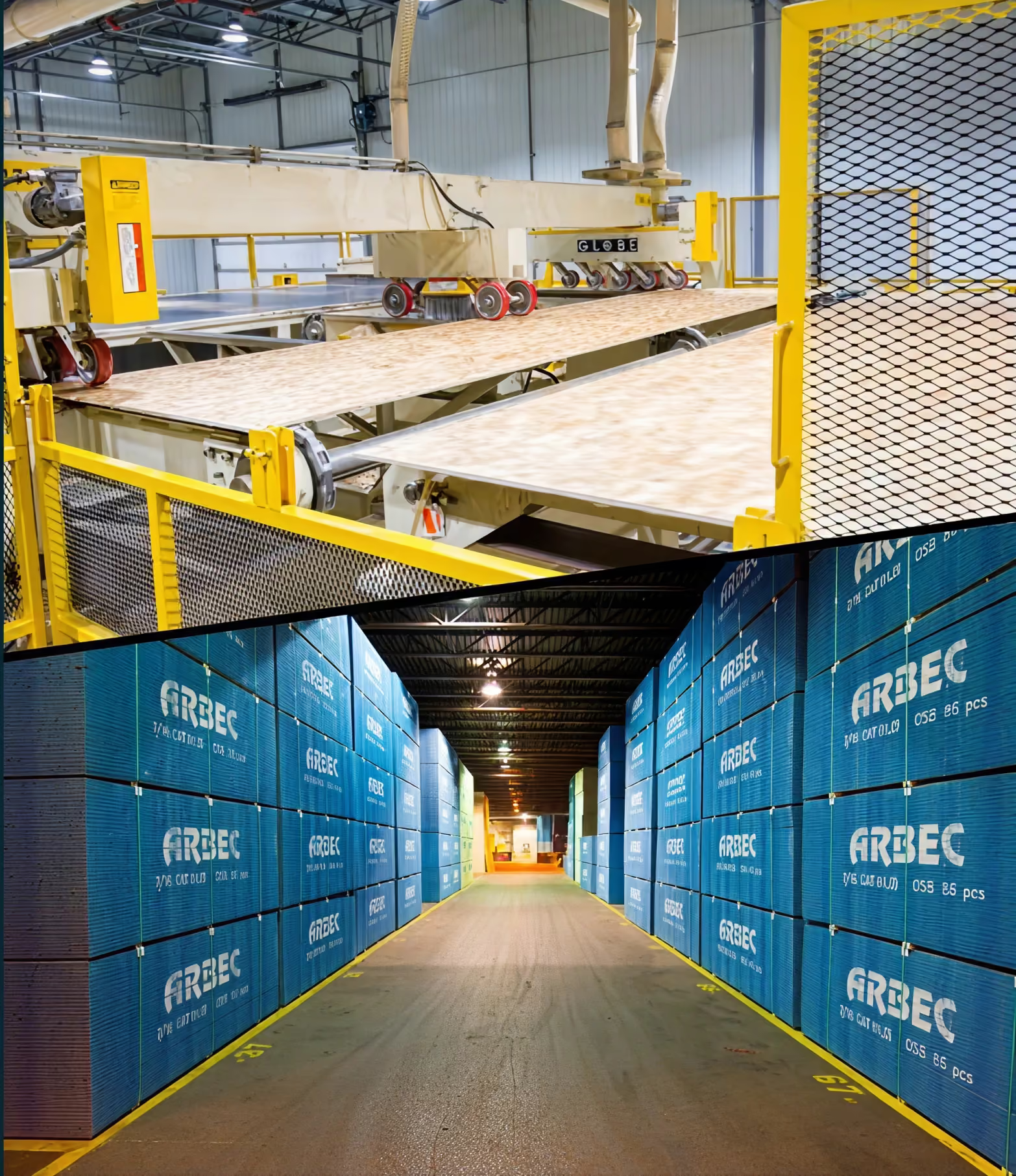
“AssetWatch quickly and efficiently installed the vibration analysis solution.”
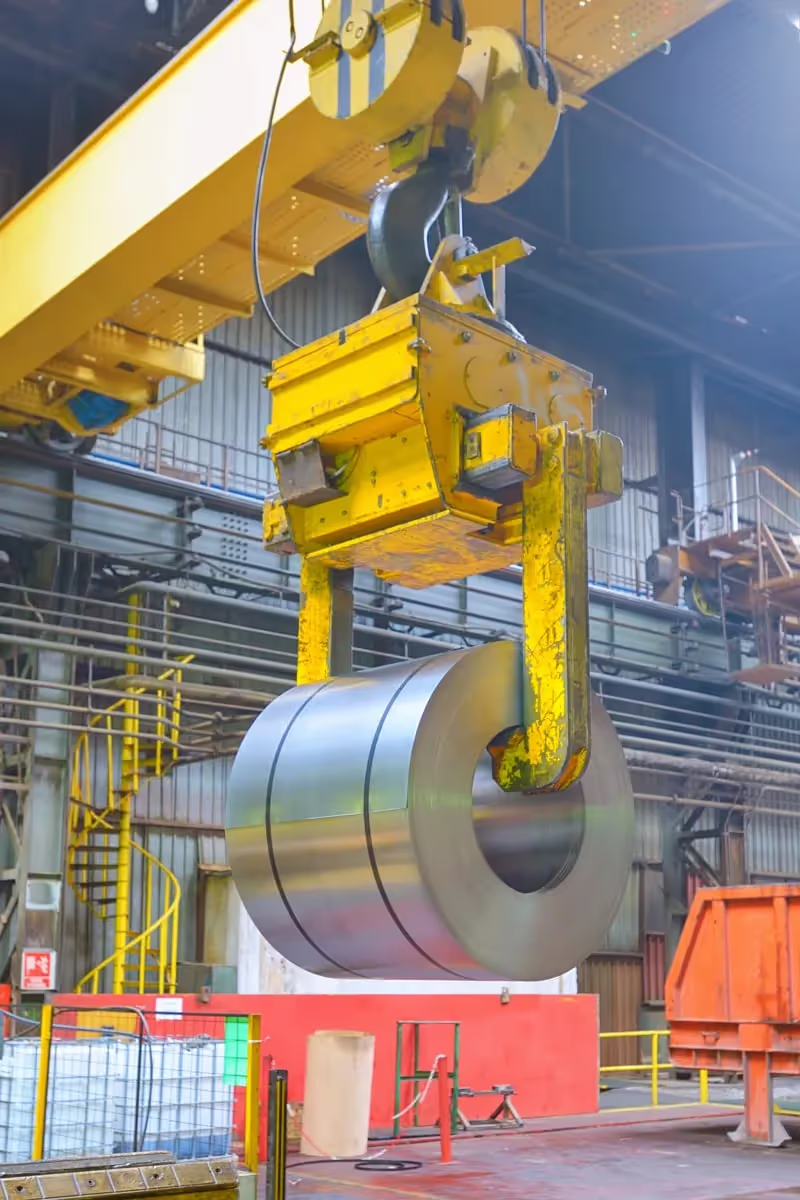
“I feel like I have a highly qualified tech on my team.”
“The thing I like the most about AssetWatch is the monitoring from the people-side.”
Frequently asked questions
The answer depends on how critical each asset is. Continuous vibration monitoring suits critical rotating equipment, and route-based monitoring suits lower-criticality assets. Oil analysis or electrical monitoring adds depth where a fault needs more diagnosis.
Most installs are completed in one day, with even the largest finished within two to three days.
Yes. AssetWatch brings vibration, temperature, oil analysis, and electrical monitoring data into one platform.
Plant managers typically look for a clear path to fewer unplanned failures, a plan for installation and support, and a return they can present to finance.
The right tool depends on your assets and staffing. Compare how each option covers your critical equipment, how alerts reach your team, and how findings turn into maintenance work.
The Ways We Monitor
Every asset requires a different monitoring strategy. AssetWatch offers multiple monitoring solutions so you get the right coverage for every machine and every condition.
Continuous Vibration Monitoring
Route-Based Vibration Monitoring
Electrical Monitoring
Continuously monitor three-phase current, RPM, and panel temperature to catch winding degradation, phase unbalance, and overload conditions weeks before they cause motor failure.