
Arbec Forest Products
How Arbec Forest Products expanded from critical assets to plant-wide condition monitoring, reduced reactive maintenance, and built greater confidence in equipment health
From Challenge to Solution
Every project comes with obstacles. Here’s how we identified the problem and built a solution that delivered lasting impact.
The Challenge
At Arbec Forest Products’ Miramichi facility, reliability directly impacts the mill’s ability to operate efficiently, control costs, and keep production moving.
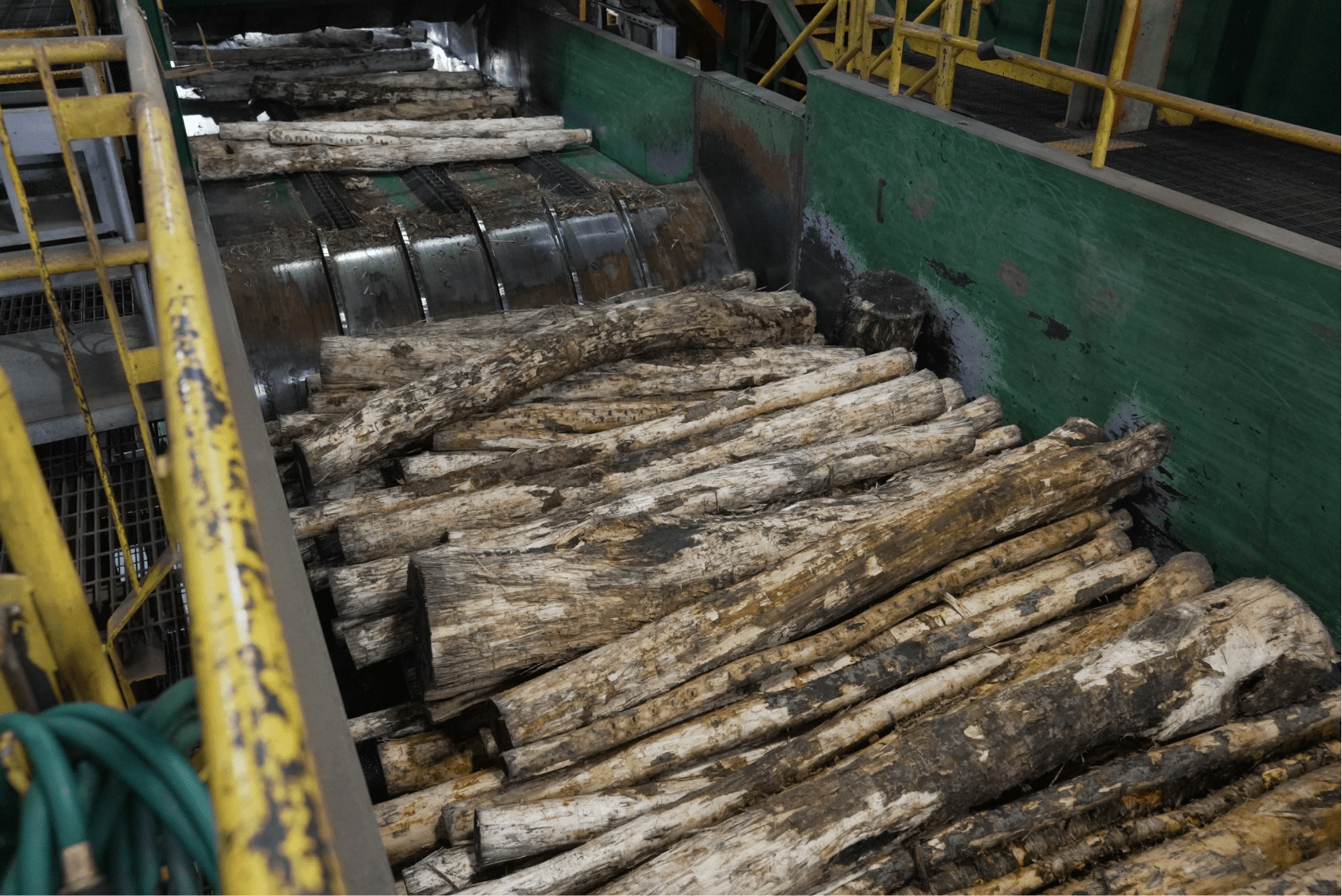
The plant produces approximately 410,000 cubic meters of oriented strand board (OSB) each year. Across that process, equipment such as dryers, fans, mills, pumps, gearboxes, and other rotating assets play a critical role in keeping the operation running.
A single unexpected failure can have significant consequences.
Certain assets represent single points of failure, meaning an issue can affect part of the production line or potentially bring the entire process down. Because some Arbec facilities are located in more remote areas, replacement parts and specialized components can take longer to source and deliver. That makes early warning especially important when a developing problem involves a critical bearing, fan, gearbox, or other component.
Before expanding their use of continuous condition monitoring, Arbec relied heavily on route-based inspections and the bandwidth of employees working around the equipment. Technicians collected vibration readings at scheduled intervals, while operators and maintenance personnel also depended on changes in sound, heat, or equipment behavior to identify developing problems.
That approach provided useful information, but it still left gaps between readings.
As equipment became more automated and fewer people were physically on the floor listening to machines throughout every shift, Arbec wanted greater visibility into failures that could develop between inspection intervals.
The goal was to move from discovering problems after they had progressed to identifying them early enough to plan the response.
The Solution
Arbec began by deploying the AssetWatch solution on their most critical equipment.
The initial phase included more than 100 sensors focused on assets where failure would create the greatest operational risk. After seeing the value of continuous monitoring, the mill expanded into additional phases, ultimately deploying approximately 470 sensors throughout the plant.
Instead of relying on a periodic snapshot, the Arbec team could now continuously monitor vibration and receive alerts when equipment behavior began to change.
That shift gave the team something route-based monitoring could not always provide: visibility into what was happening between scheduled readings.
For Arsene Hachey, Process Engineer, the difference was comparable to having another set of eyes continuously present on the mill floor.
“There’s somebody else on the floor 24/7 for you.”
AssetWatch’s Condition Monitoring Engineers also became part of Arbec’s reliability process.
When an alert is generated, the team can collaborate with AssetWatch to evaluate the data, determine what is actionable, and decide what should happen next. That might mean checking a bearing, confirming lubrication, evaluating alignment or balance, continuing to monitor a developing condition, or planning a repair for an upcoming outage.
Rather than treating every vibration change as an emergency, the team can better distinguish between normal operating noise and an issue that requires action.
That has helped Arbec build confidence not only in the data, but in the maintenance decisions that follow it.
From Reactive to Predictive
Hear how Arbec transformed their maintenance program with AssetWatch.
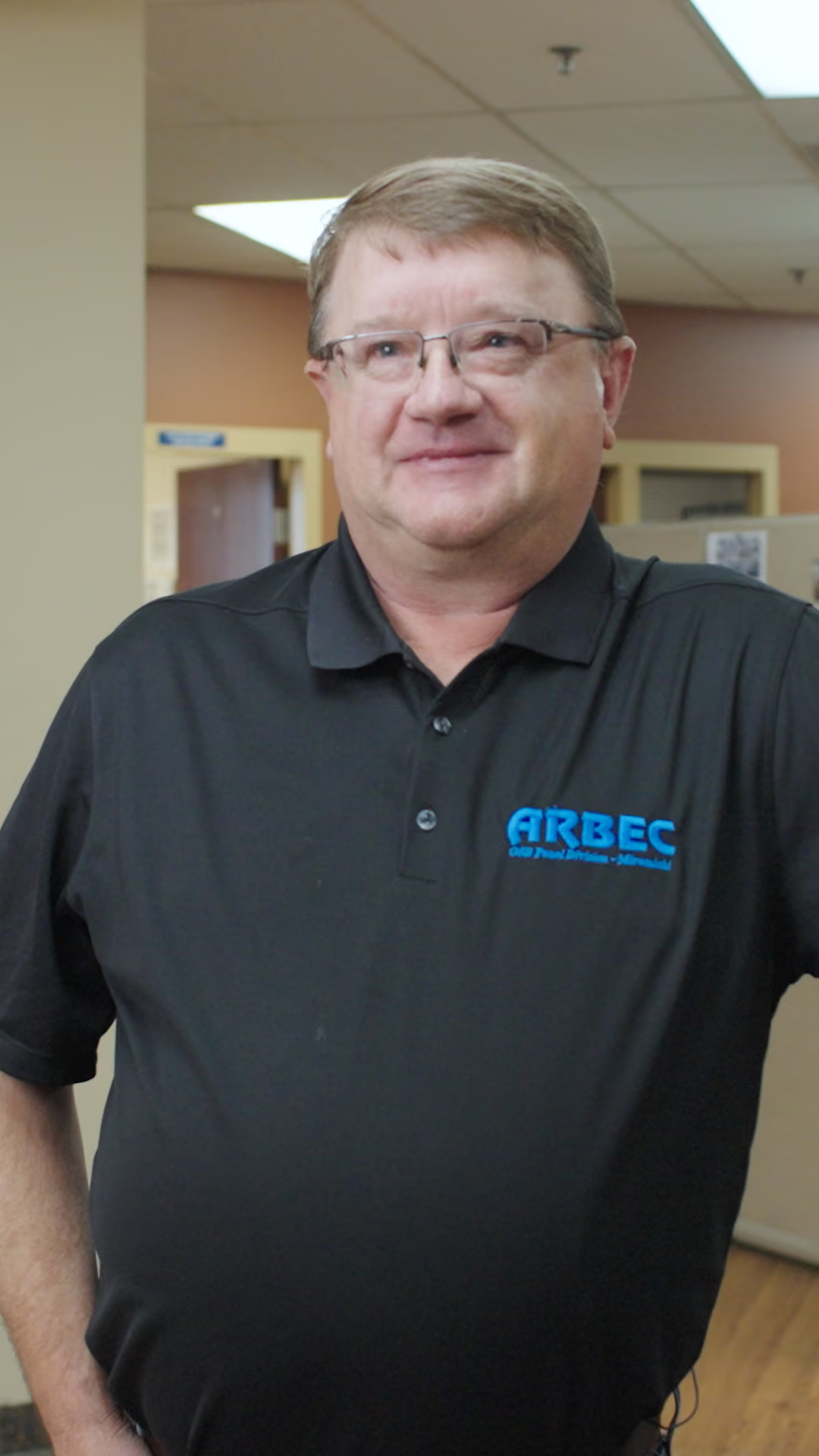
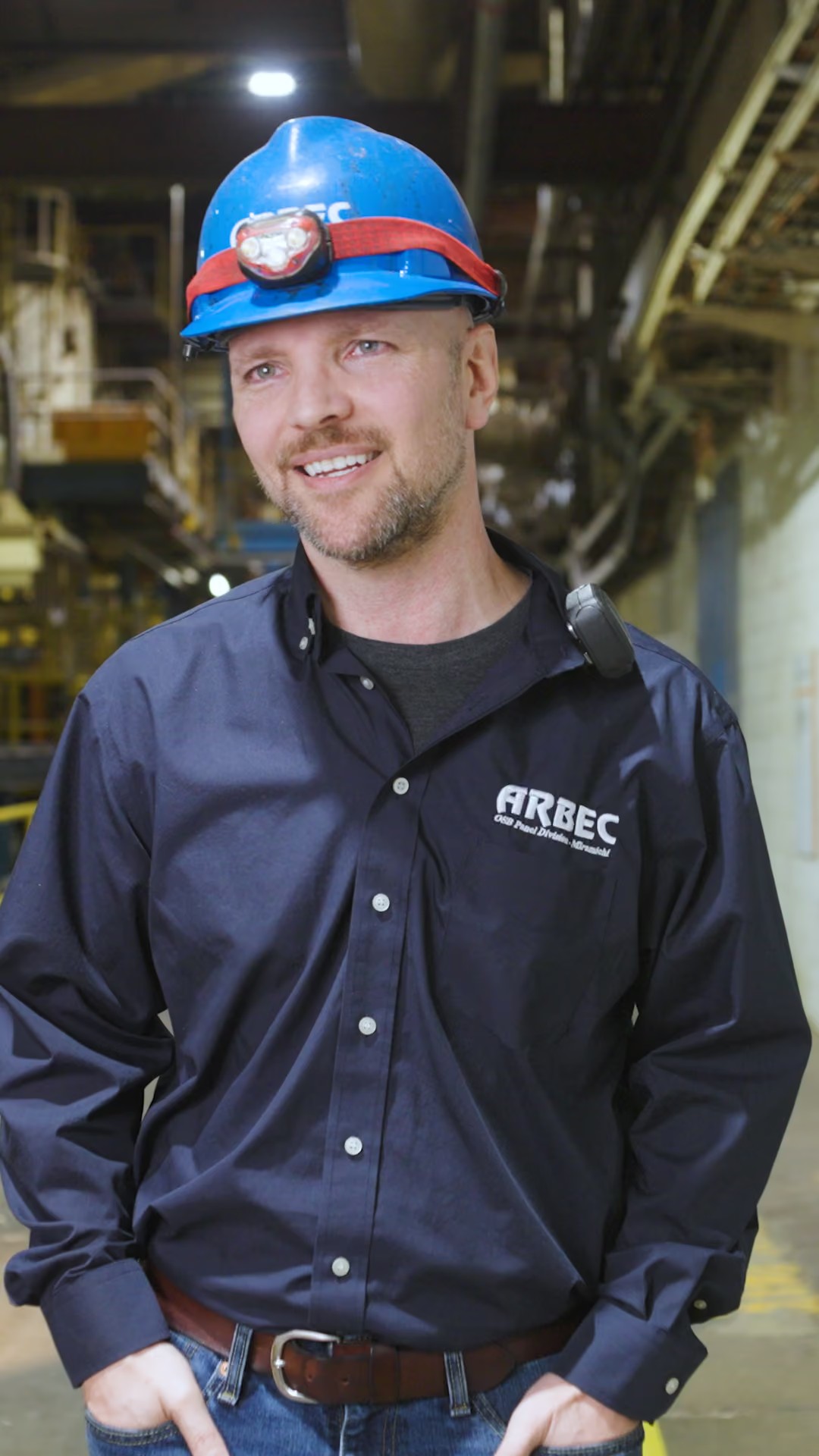

Continuous monitoring changed how Arbec plans maintenance.
The mill operates with scheduled down days approximately every six weeks. When AssetWatch identifies a developing problem that does not require an immediate shutdown, the team can use the warning time to plan the work into an upcoming outage.
That means maintenance can prepare labor, parts, and repair strategies before the equipment reaches failure.
The impact is particularly important on assets where unexpected failure can create both production and safety risks.
One example involved an ID fan where AssetWatch identified bearing race defects before the equipment failed. With advance warning, Arbec could develop a plan to replace the bearings rather than waiting for an unexpected breakdown.
Maintenance Superintendent Kyron Manderson explained that catching the issue early gave the team an opportunity to plan around a potentially significant failure.
“If this wasn’t flagged and we didn’t formulate a plan to mitigate the hazard, it would probably run into six figures in downtime.”
Other AssetWatch findings have involved trunnion bearings on the mill’s dryers and other critical rotating equipment.
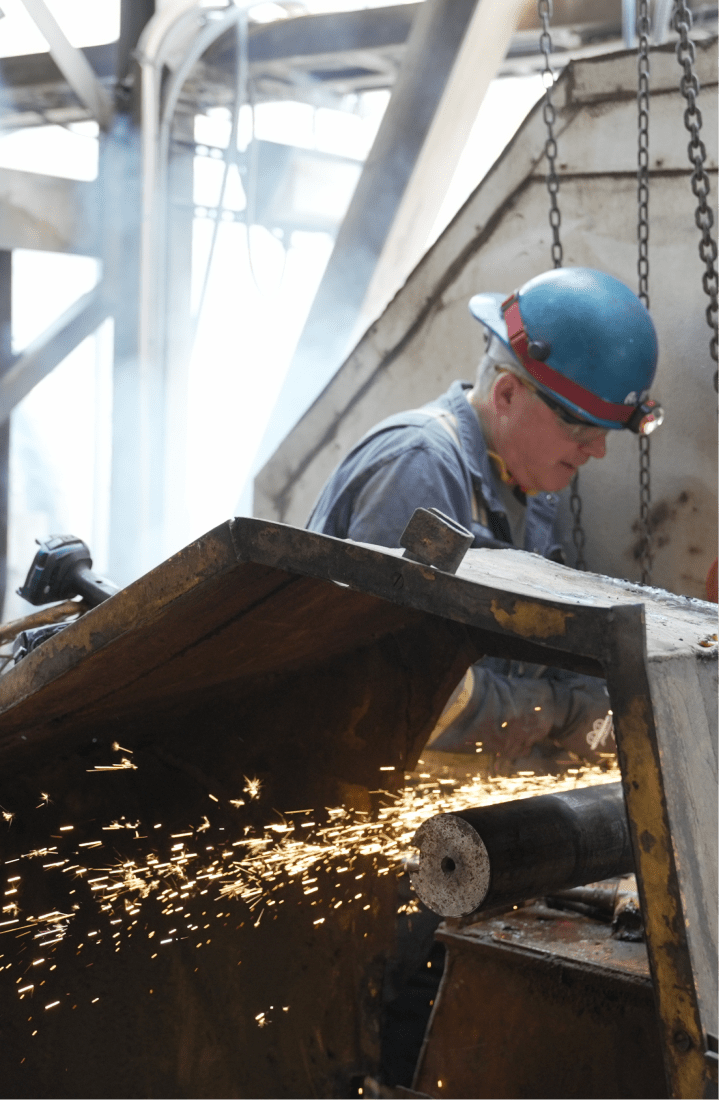
Historically, a trunnion bearing failure could create significant damage and, in certain conditions, contribute to a fire event. By identifying changes in heat and vibration earlier, the team has been able to investigate those assets and address problems before they progress into larger failures.
That has expanded the value of condition monitoring beyond maintenance cost and production uptime.
It has also become part of how Arbec manages operational risk.
Quantifying Success
Real, measured results from Arbec's AssetWatch program, tracked over roughly a year of deployment across the mill's most critical equipment.
Operational Impact
Sensors Deployed
Potential Downtime Avoided
Continuous Equipment Visibility
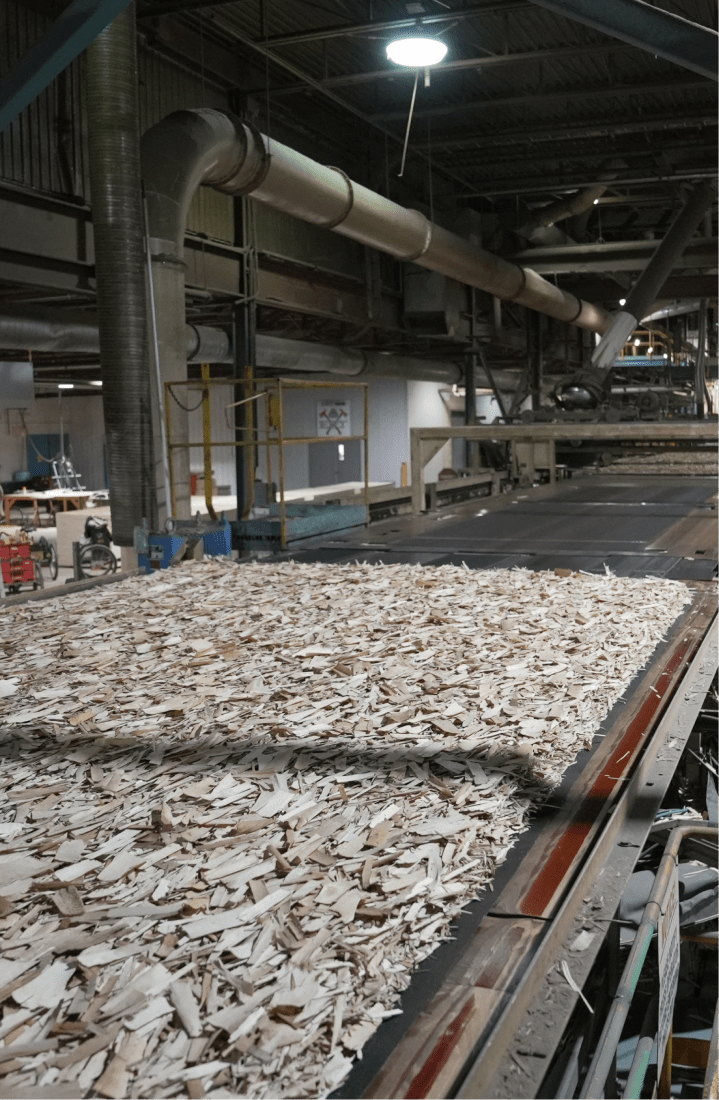
Arbec did not begin by monitoring every asset in the mill.
The team started with equipment it considered most critical, particularly assets that could stop production if they failed.
Once the value of continuous monitoring became clear, the next question was where else it could help.
Phase two and phase three extended monitoring beyond the original critical assets and into additional parts of the operation. As coverage grew, the team began finding smaller developing issues that may previously have been overlooked or discovered later through periodic routes.
That expansion also changed how people throughout the mill interact with reliability information.
Supervisors, maintenance employees, reliability personnel, and other members of the team can receive AssetWatch alerts and see information about developing equipment conditions. Smart boards in the plant also provide visibility into the system during the mill’s 24/7 operation.
The shared data gives teams a common reference point when deciding what needs attention.
Instead of relying only on an individual technician’s interpretation of a sound, temperature change, or vibration reading, teams can review trends, equipment history, and recommendations together.
For Arséne, that has helped create greater trust across departments because decisions can be supported by documented equipment history and condition data.
Hear directly from the Arbec team in the webinar: How Arbec Scaled Condition Monitoring Across Its OSB Mill.
Adam Stone, General Manager, Arbec Forest Products
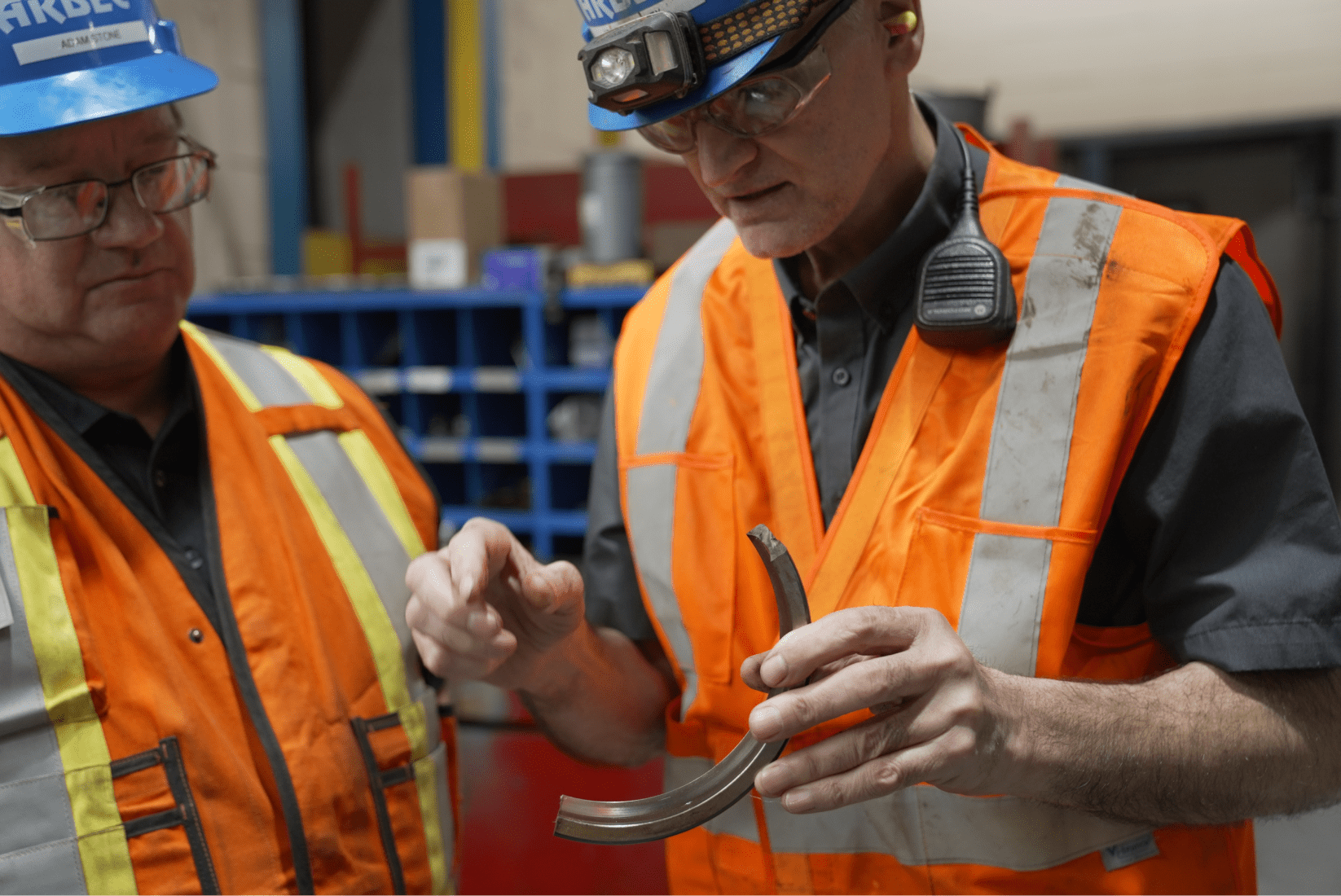
The shift has also changed how Arbec uses its maintenance resources.
Route-based condition monitoring required technicians to physically collect data throughout the mill. Continuous monitoring allows those employees to spend more time on preventive maintenance and other work while AssetWatch continues collecting equipment data.
When an alert does occur, prescriptive guidance can help technicians narrow their investigation.
Rather than simply being told that vibration has increased, the team may receive recommendations to inspect a motor bearing, evaluate alignment, check balance, or investigate another likely source of the problem.
As Josh Hudson, Reliability Engineer, described it, that guidance “takes a lot of the guesswork out.”
The result is a reliability program that is increasingly focused on knowing where to act, why to act, and when the work should happen.
For employees like John Murdoch, Vibration Analyst, continuous monitoring also complements Arbec’s internal vibration expertise rather than replacing it. AssetWatch gives the team continuous data and access to additional engineering support, while Arbec’s reliability personnel continue applying their own knowledge of the equipment and process.
Looking Ahead
Arbec’s reliability journey demonstrates how continuous condition monitoring can evolve from a tool on critical assets into a broader operating strategy.
The mill began by targeting the equipment that presented the greatest production risk. As the team saw results, confidence grew, coverage expanded, and condition monitoring became increasingly integrated into maintenance planning and daily decision-making.
That progression has helped Arbec move away from relying solely on periodic snapshots and reactive responses.
Today, hundreds of assets are monitored continuously, maintenance teams have more time to plan around developing issues, and reliability decisions are supported by real-time equipment data and condition monitoring expertise.
For a mill where a single unexpected failure can affect production, maintenance costs, and employee safety, having earlier visibility changes what the team can do about it.
Instead of waiting for the next major failure, Arbec can see more of them coming.
In Operational Impact
See Equipment Problems Earlier. Plan Maintenance Before They Become Failures.

Find this case study helpful? We’d love to share it with you!
Powering Predictive Insights with AWS
AssetWatch partnered with AWS to provide the scalability and reliability needed to support a serverless architecture. With a robust suite of services tailored for data ingestion, processing, and machine learning, AWS enables AssetWatch to seamlessly scale sensor data and deliver predictive insights to manufacturing companies.
AWS infrastructure reduces operational overhead and allows AssetWatch to focus on innovation to drive value to our customers. Additionally, AWS’s strong security framework and global infrastructure ensure the resilience and compliance required to support mission-critical manufacturing operations at scale. This partnership positions AssetWatch to accelerate growth while maintaining the highest levels of performance and reliability.
.avif)


See Equipment Problems Earlier. Plan Maintenance Before They Become Failures.

More Case Studies
Discover how our customers achieve an impressive 8x ROI through our insightful case studies.

7x
How much could you save by using AssetWatch?

40x
One Sensor Saved a Potential $500k in Lost Gross Margin!
10X
How much could you save by using AssetWatch?