12 Types of Bearing Failures and How to Prevent Them
Bearing failures are a common frustration that facility managers face regularly. Prevent common types of bearing failures through condition monitoring.
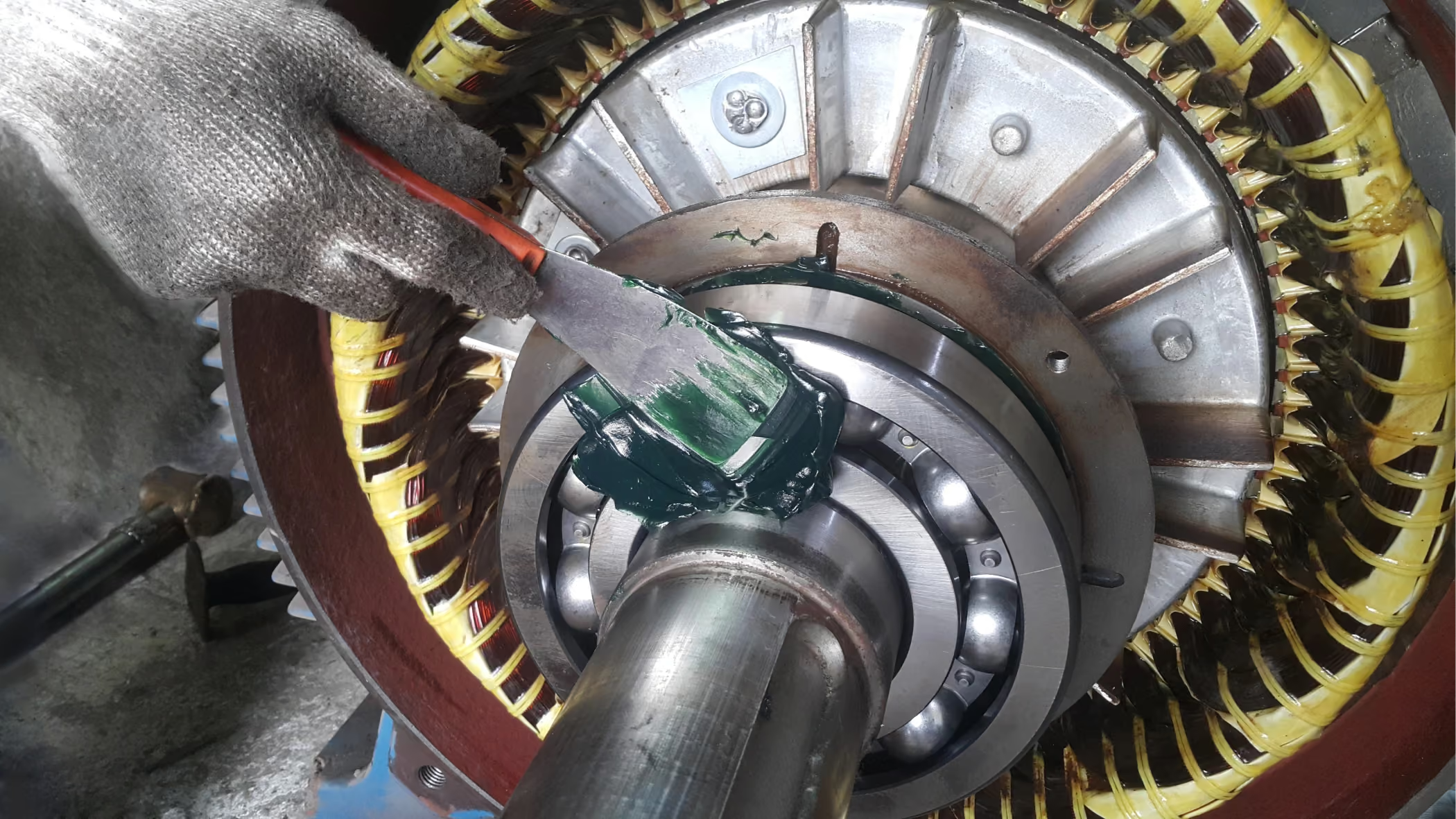
A System-Level View of Bearing Failures
It’s crucial to understand that most of the time, bearing failures aren’t a component issue—they’re systemic. Yes, sometimes the issue could be a defective product or failure due to age, but more often than not, bearing failures are related to maintenance strategy.
Common systematic bearing failure can be the result of:
- A mistake during installation
- Defects in the product
- Inconsistent maintenance schedules
- Employee mistakes (mishandling, using the wrong lubrication, overloading, etc.)
- Operating conditions (working machines too hard or nonstop operations)
Catch Bearing Faults Months Before They Seize
12 Common Types of Bearing Failures
Here are the most common bearing failures and their causes.
Preventing Bearing Failures with Condition Monitoring
The best way to prevent bearing failures is through consistent inspection and maintenance. However, it can be difficult to know when something is an actual issue versus just making an odd noise or two.
Condition monitoring reduces uncertainty when it’s time for operational maintenance. It detects potential issues by analyzing bearing damage symptoms, such as:
- Vibration: Changes in vibration patterns can alert maintenance teams to check out that piece of equipment.
- Temperature: High temperatures indicate equipment overwork or another issue.
- Lubrication-System Pressure: If pressure levels are unusual, condition monitoring will alert your maintenance team to inspect the circulating oil systems.
- Oil analysis: This analysis detects unusual particles in the oil and prevents contamination.
- Acoustic emission analysis: High-frequency sounds can sometimes detect very early friction or impact events. By using acoustic emission analysis and filtering, you get more accurate results.
- Infrared analysis: This analysis focuses on detecting heat specifically within the bearing instead of the entire piece of equipment.
- Machine learning/AI: Machine learning can read and synthesize all the historical data to present more accurate predictions for maintenance teams to follow.
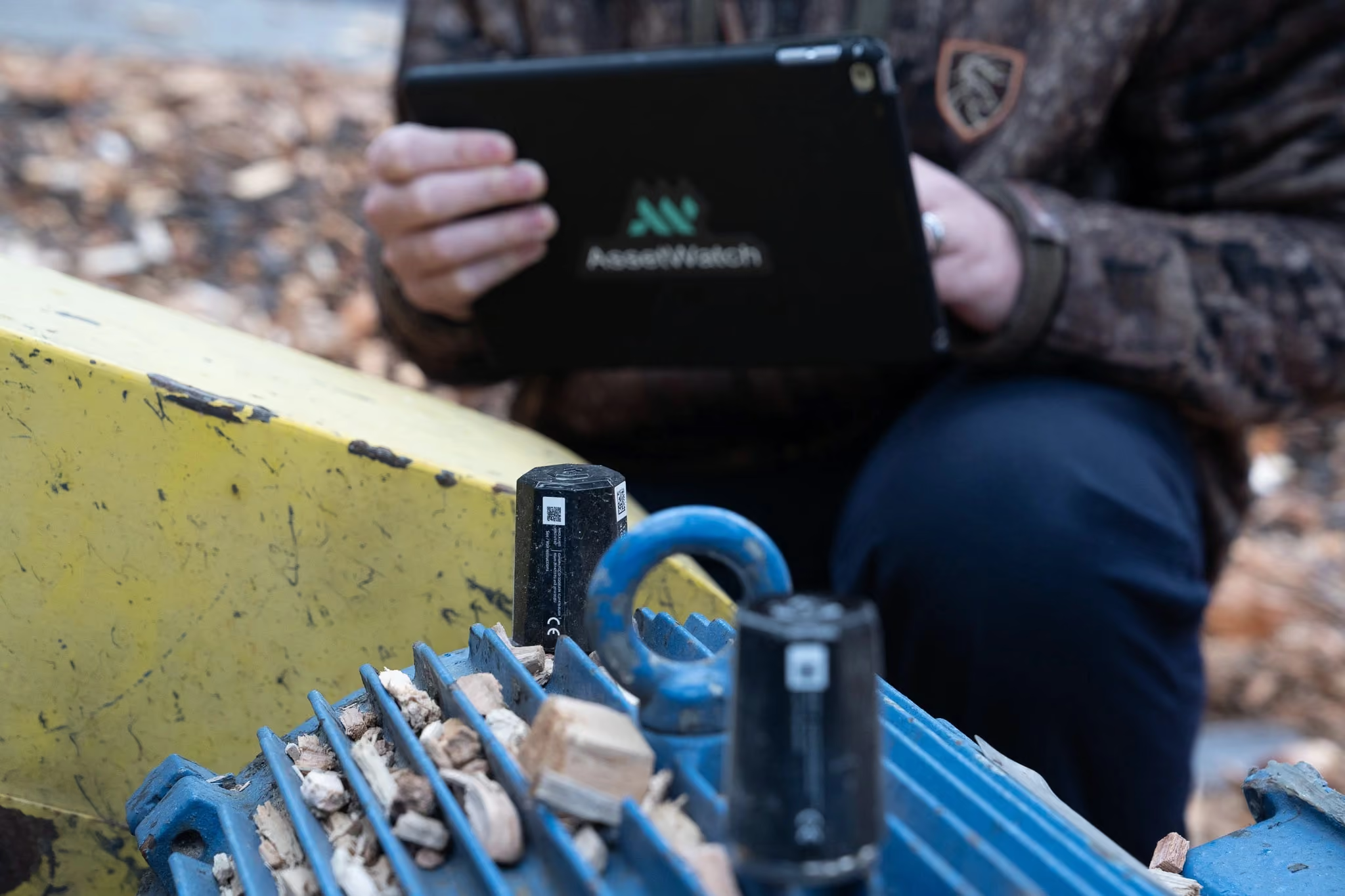
Condition monitoring can present findings, which are sent to an AssetWatch engineer specialist. To reduce false alarms, your specialist will only contact you if there are problems that need to be addressed. They offer guidance on next steps, such as:
- Lubricating specific bearings (ensuring you’re using the right kind and amount of lubrication)
- Cleaning the bearing and housing
- Ensuring proper alignment between the shaft and bearing
- Inspecting for any contamination issues
- Adjusting any load issues
- Replacing any pieces showing cracks, etches, pitting, or grooves
Condition monitoring can not only alert you when you need to perform maintenance but also save you time. It uses real-time data and risk-ranked alerts to support smarter planning and fewer emergencies. This means a consistent reduction in downtime as well as after-hours maintenance calls. Condition monitoring can help you go from a reactive maintenance schedule to a proactive one.
Recommended: True ROI of Condition Monitoring and Condition Based Maintenance: Case Studies Beyond the Hype
Is a Bearing Failure Analysis Worth the Effort?
If you have a series of unusual bearing failures, then yes, a bearing failure analysis is worth it. A bearing failure analysis is all the data you’ve collected and the conclusions about what could have caused the failure.
For example, is there a string of failures due to consistent underlubrication? That could be a sign of a training gap within your maintenance team. Meanwhile, recurring misalignment often points to a root cause beyond the bearing itself. Whether that's a training gap in alignment practices or a structural issue such as soft foot or frame flex under load.
A bearing failure analysis usually consists of:
- A visual inspection
- Lab analysis of particles and oils in and around the bearing
- Operating data
- Failure history
Depending on the results of your analysis, you may be able to prevent future failures.
A Little Prevention Goes a Long Way
Bearing failures tend to share similar causes that can be prevented with routine maintenance. Focusing on proactive action instead of reactive maintenance can save you hours of downtime, out-of-hour calls, and money.
Learn how to optimize your maintenance system through condition monitoring with AssetWatch today.
Stay Ahead of Equipment Issues
See how predictive maintenance can help your team prevent failures and keep critical assets running.
Uncover Hidden Failure Risks on Your Production Line


Upcoming Predictive Maintenance & Condition Monitoring Events
Discover the latest strategies in asset reliability and downtime reduction—browse our featured sessions below or view all upcoming events.



Predictive Maintenance Resources
Unlock expert strategies for better asset health—read our featured guides below or browse the full knowledge center.
_1.jpg)
_1.jpg)
_1.jpg)